
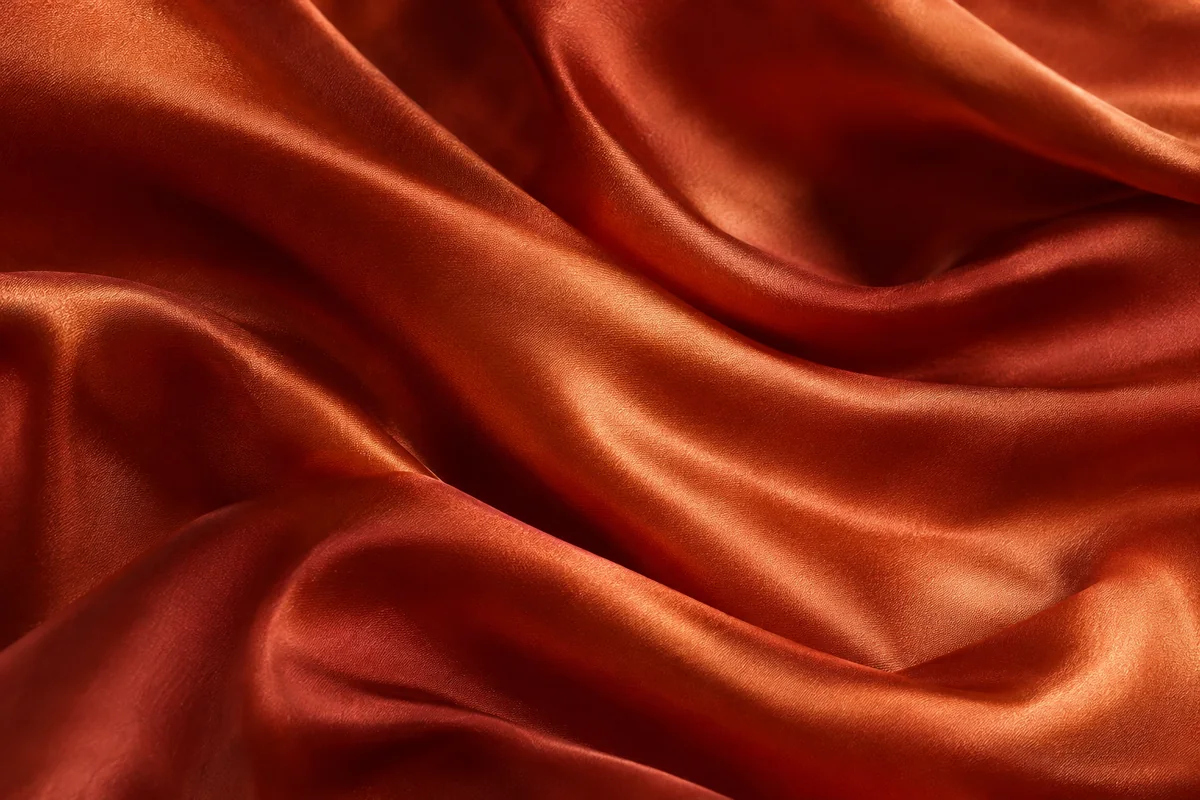
Silk Fabrics
A 19-momme silk can have a matte, pebbled face or a smooth satin sheen. Momme tells you the weight. Turn the swatch in daylight to choose the surface.
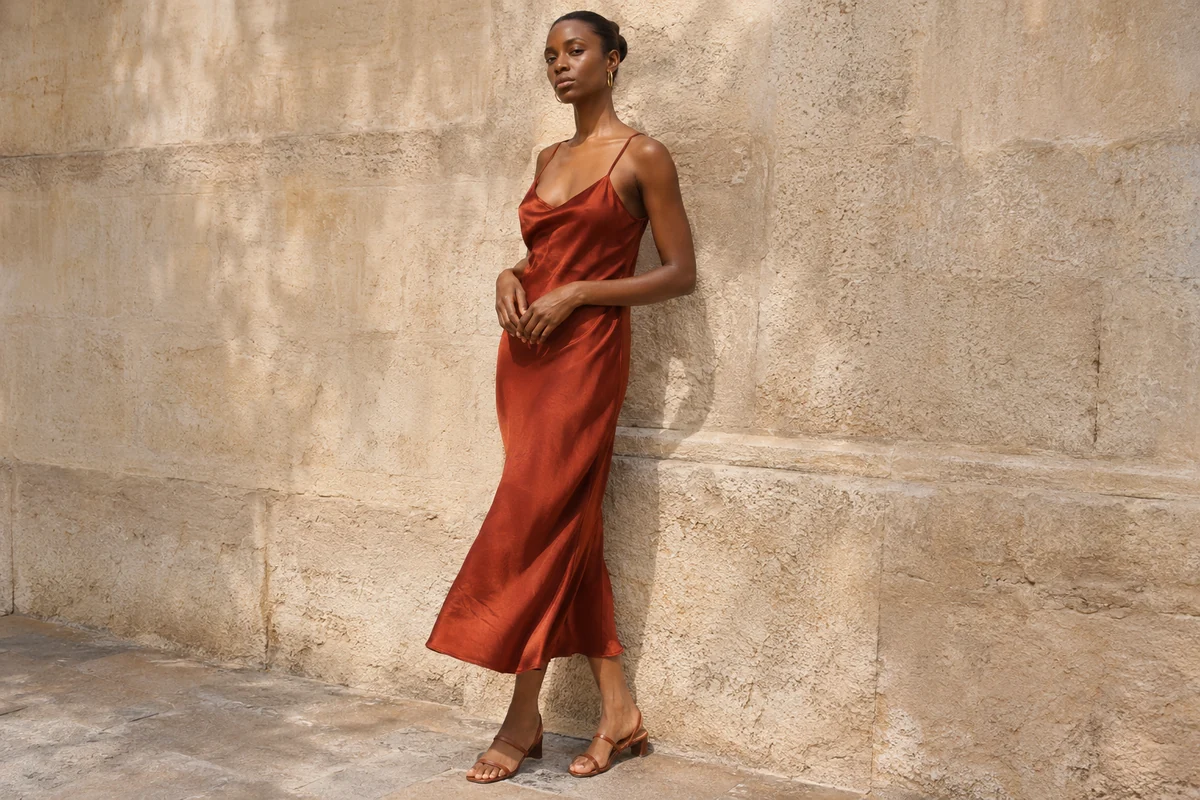
The movement you want from silk
- Show us the part that needs to drape, such as a bias skirt or a loose sleeve.
- State the intended garment length.
- If the dress has a lining, describe its shade and feel.
- Tell us if you prefer a softer glow or a more reflective face.
- Give a rough order length for each color.
From a draped sketch to a silk reference
A drawing can show the intended silhouette. A trial in the selected silk reveals how that silhouette moves.

Your sketch
Show our garment team the neckline, folds and length you have in mind.

Surface choices
We can look for a matte or more reflective silk among current references.

At sample stage
Try the silk over the intended lining, then lift it so the layers can shift.

Swatch weight
We compare references in momme and can check the equivalent in g/m².

A color to cut
The material and shade on the order give us a reference when cloth arrives.

Where it goes
Send the cutting room’s receiving address and any packing details for the roll.
Four uses for silk
A fine crepe can give a blouse a quieter surface. Satin puts more emphasis on the highlights along a fold.
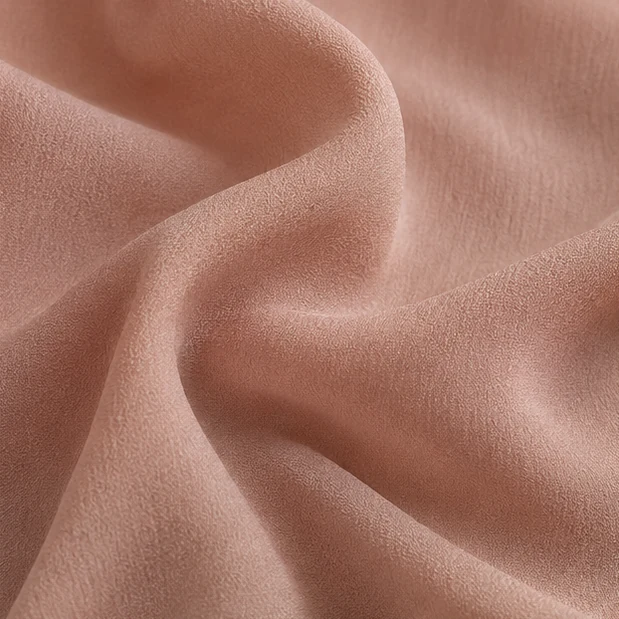

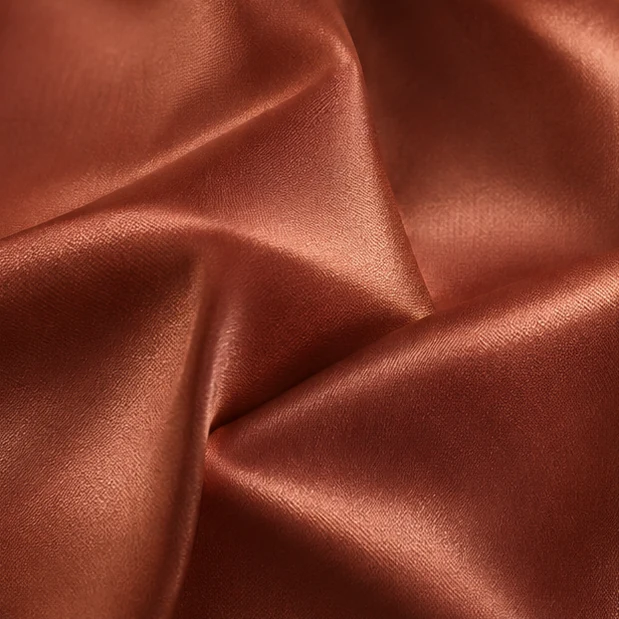
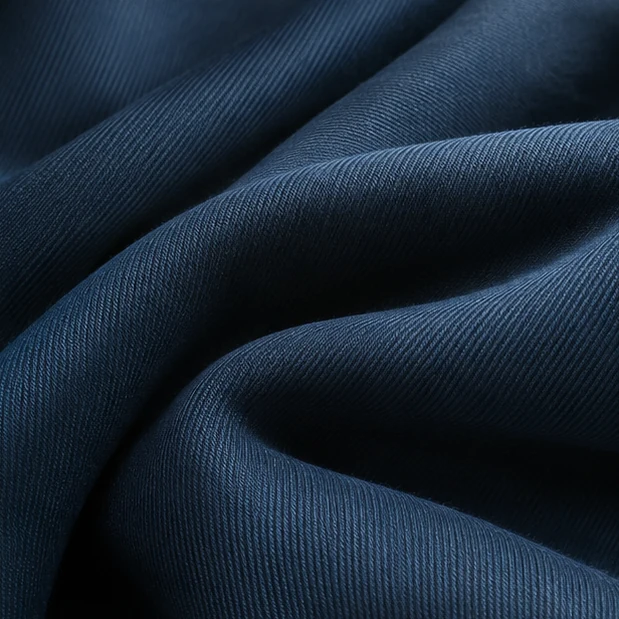
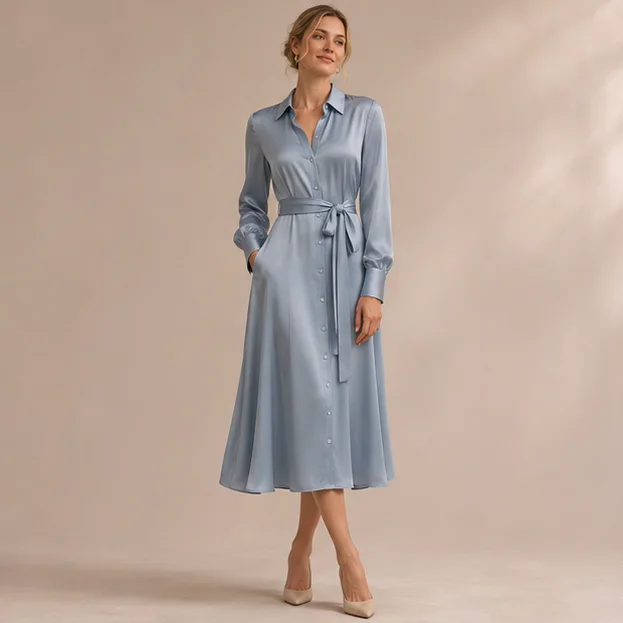
Reading momme on a silk swatch
Momme is a measure of fabric weight. Our reference range of 16–22 momme is approximately 69–95 g/m².
- 16–19 momme
Try this end of the range for a fluid shirt or blouse. - Around 19 momme
A useful point to sample for workwear or a dress. - 19–22 momme
Consider more substance for a dress or an outer layer. - Two similar weights
Compare the actual weave, surface and fall before choosing.
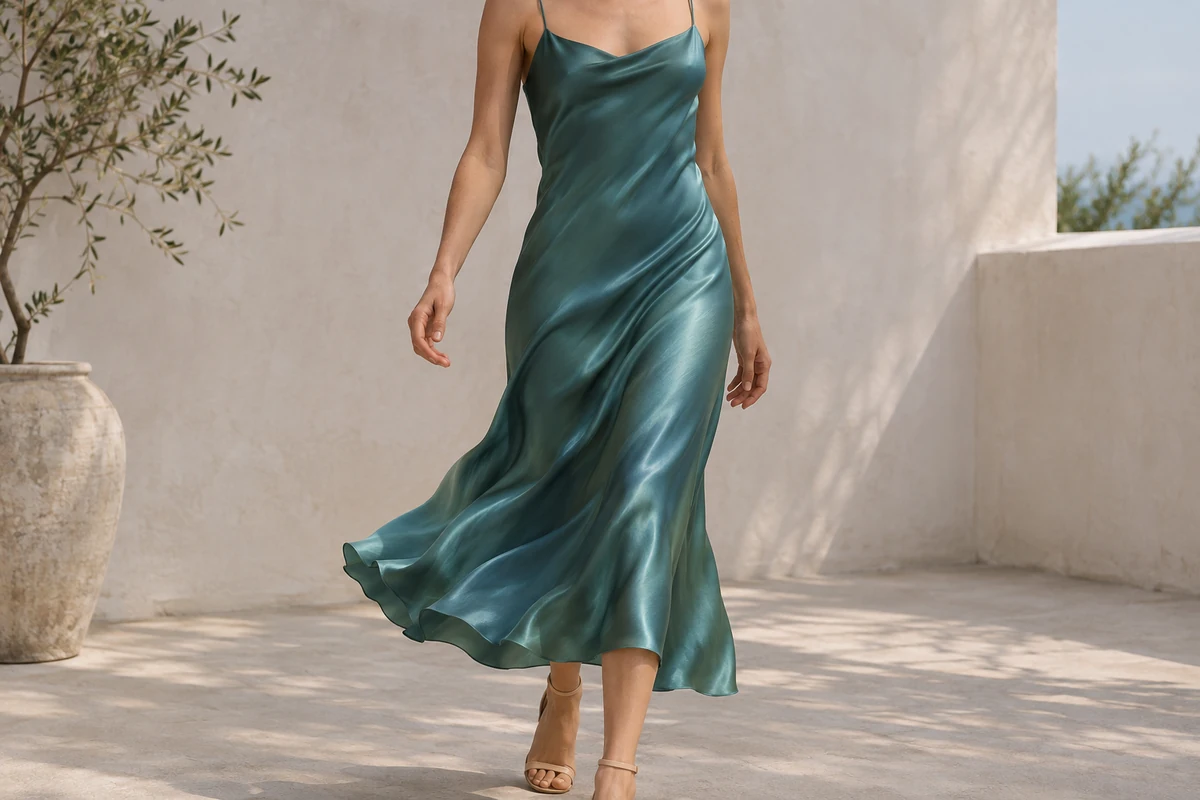
What a moving skirt reveals
Hold the silk over the planned lining and step back far enough to see the full shape.
- Fall
Follow the uninterrupted line from waist to hem. - Coverage
Check what shows through as the layers separate. - Cutting direction
Tell us which way the panels will run, especially for a bias cut. - Width
Ask for cuttable width before laying out long skirt panels.
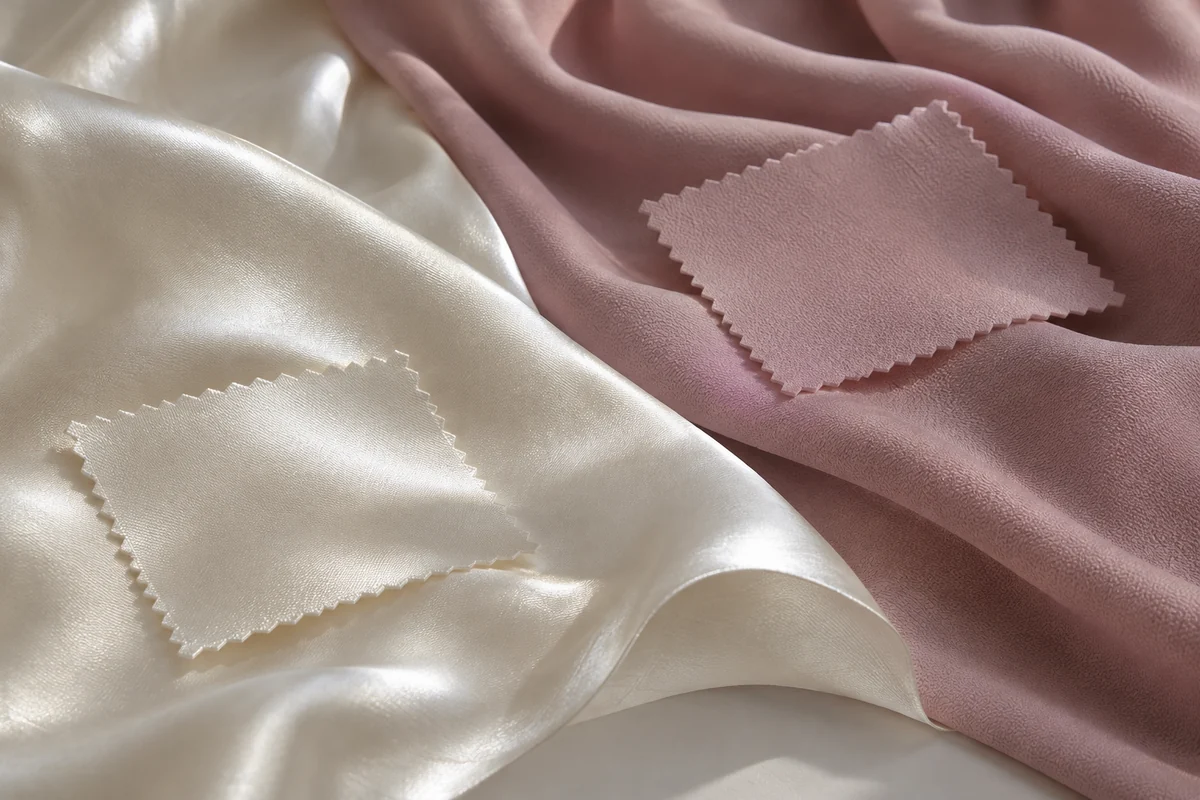
Shade and sheen under the light
One satin cutting can look quite different as you turn it. Compare colors with the faces pointing the same way.
- Target
A physical reference or Pantone color gives a starting shade. - Surface
Lay matte and glossy options beside one another. - Light
Look at the proposed silk under daylight and the lighting in which it will be worn. - Matching panels
Identify pieces of a dress or set that need to share a dye lot.
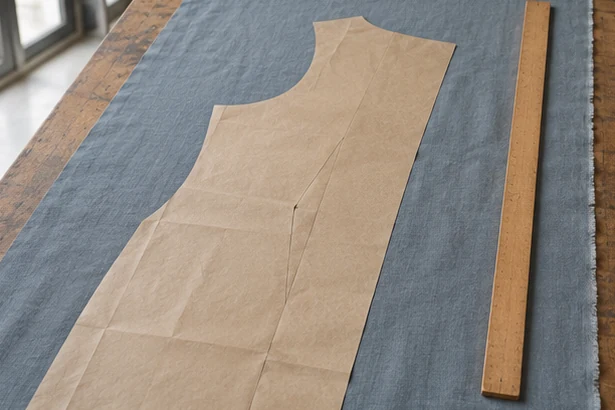
How much silk will the pattern take?
A bias-cut slip can have a very different layout from a straight-cut blouse.
- Panel length
Use the length from shoulder or waist to the intended hem. - Usable width
Confirm the width that can go into the layout. - Trial cut
Allow a separate length for the sample, lining comparison and hem. - Bulk quantity
Send meters or yards by shade so we can check the available lengths.
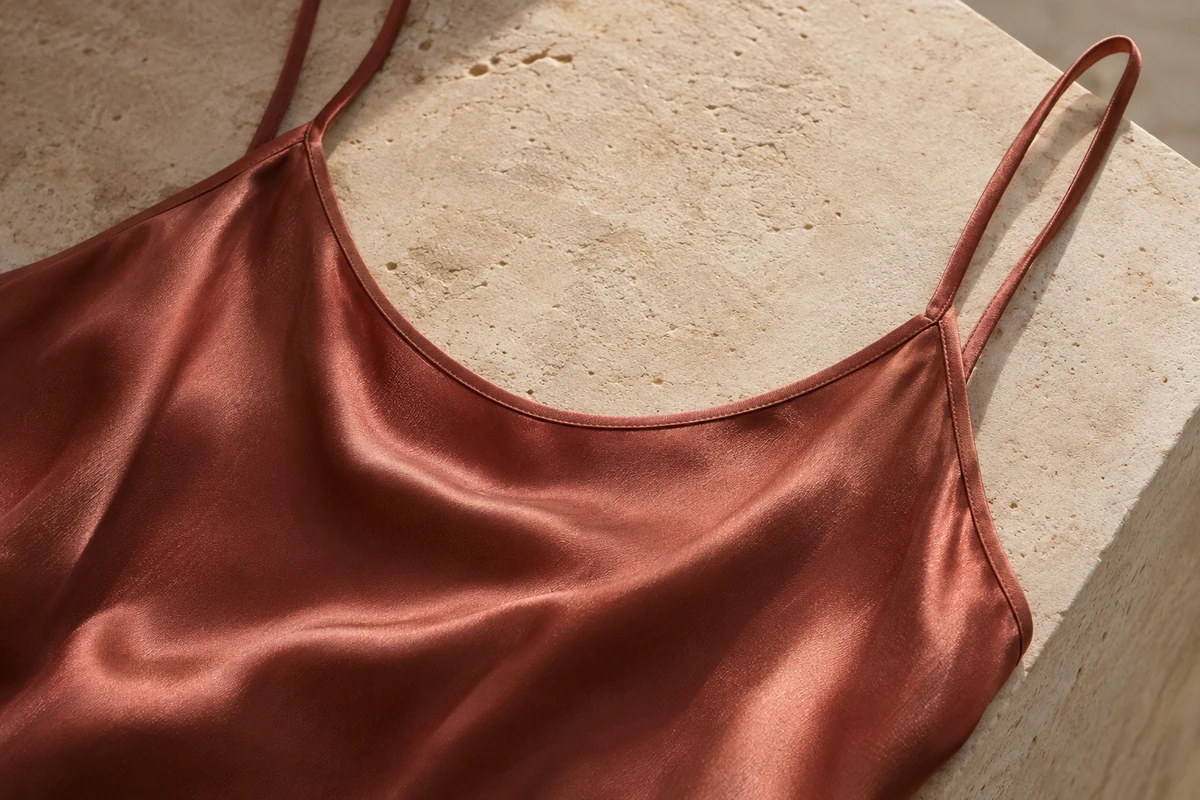
When the neckline is right
Save a piece of the silk that worked in the sample, particularly if the neckline or straps depend on the way it folds.
- Sample record
Mark the silk reference and momme on the cutting. - Face
Indicate which side faces out. - Shade approval
Attach the approved color to the same record. - Roll check
Give the receiving team the code and shade it should expect.
Fiber, weave and records
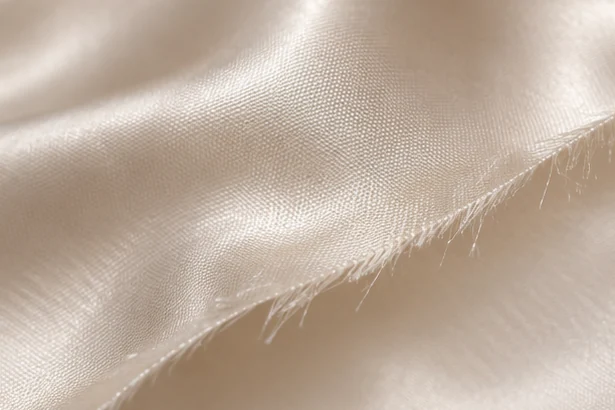
Silk names a fiber. Satin describes a weave. Specify both when a particular sheen is part of the design.
Fiber declaration
Ask for the fiber percentages for the silk reference you select.
Confirm composition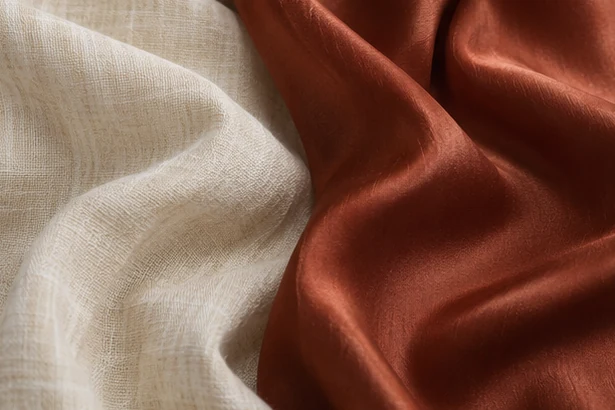
Surface comparison
Lay the silk beside a crisper linen to see how differently the same fold stands and falls.
Compare cloth by hand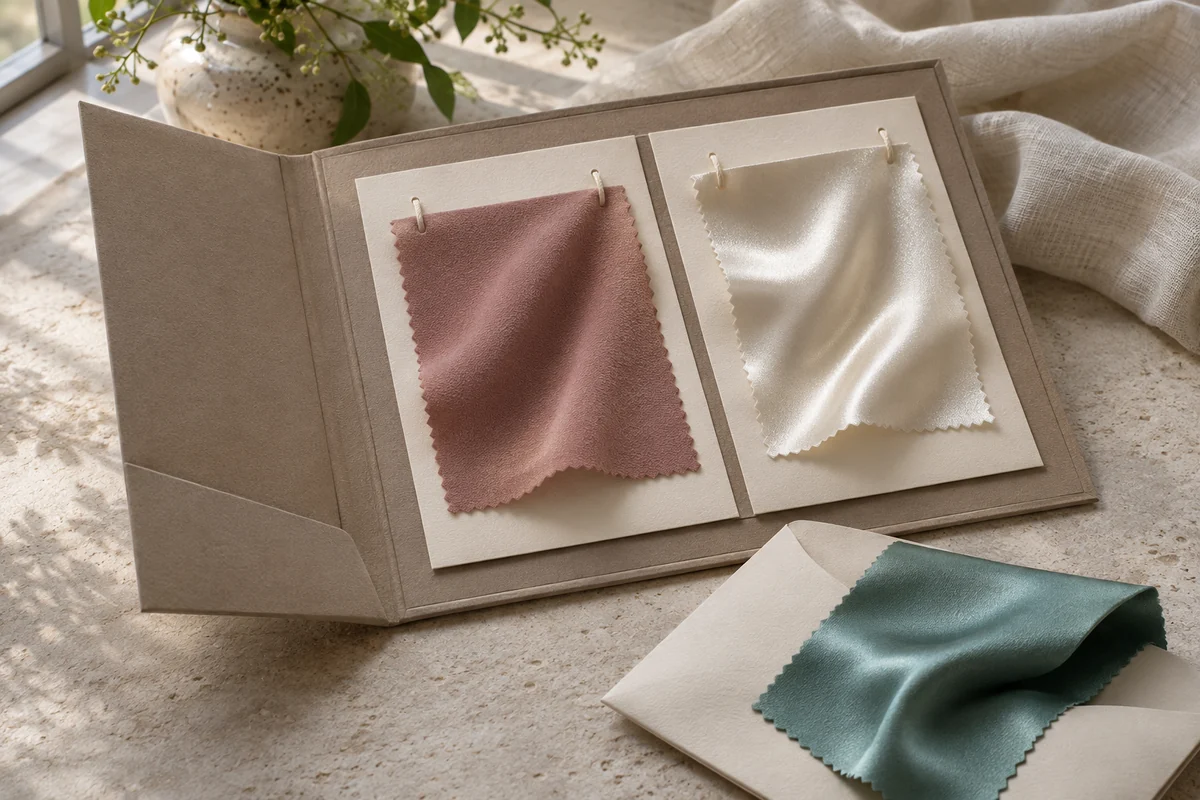
Material paperwork
Name the report your buyer wants and the intended use so we can check what applies to this cloth.
Ask about a silk report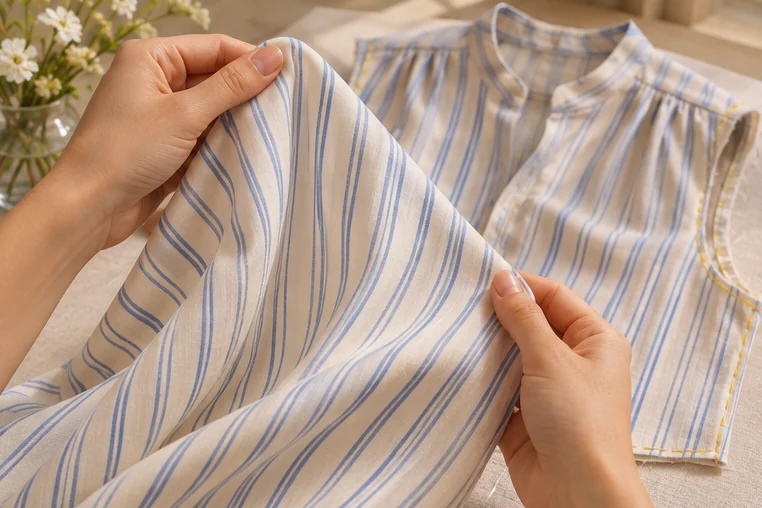
Before releasing silk to the cutter
Check the roll reference against the order. Drape the delivered shade over the same underlayer you used when approving the sample.
Have a silk swatch in mind?
Send a cutting or photo, the momme you are considering, the color and the length per shade. We will check current options.
Ask about silk yardage