
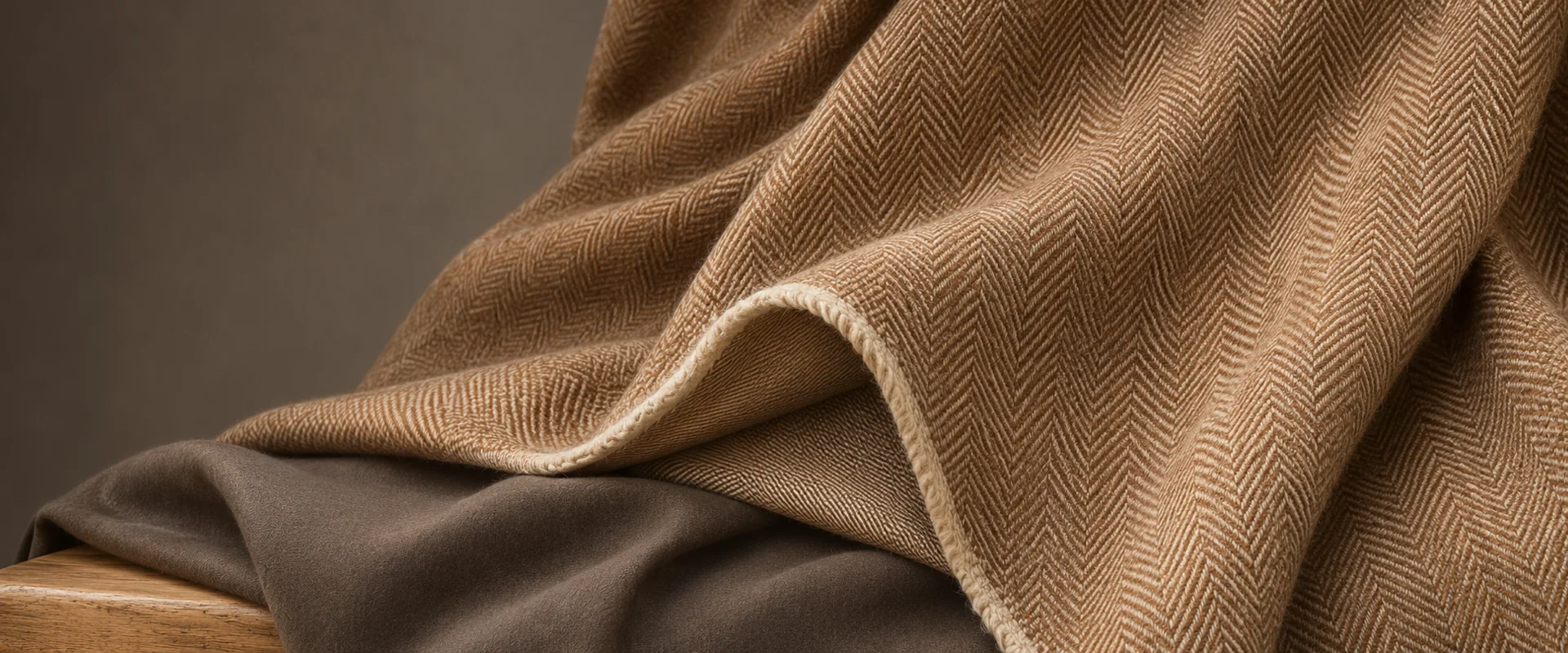
Wool Fabrics
Fold a piece of wool where a blazer lapel would turn. Some cloth rolls gently at the edge. A heavier coating builds a thicker fold. That difference matters as much as the color when you choose between two swatches.

Is the wool for a suit or a coat?
- For a suit, say whether the jacket and trousers will come from one cloth.
- For a coat, describe the layer it should fit over.
- A photo can show the width and roll you want in the lapel.
- Include your pattern or a cutting if a check or stripe must match.
- List the colors and the lengths you expect to cut.
Sourcing cloth for a two-piece suit
Send the jacket and trouser sketches together if both pieces will be cut from the same wool.

Lapel and leg
Try the wool folded at the lapel, then let a length hang freely. A suit needs the same cloth to work in both places.

The shortlist
Current options may include a solid wool, a patterned suiting or a blend.

One sample suit
Try the wool with the proposed lining so you can judge bulk at the sleeve and pocket.

Cloth particulars
Keep the usable width alongside the weight and pattern repeat.

Material on arrival
We check the incoming wool against the agreed material and shade.

Packing for the cutter
Identify the matching lengths when giving the delivery instructions.
Suit lengths and coat lengths
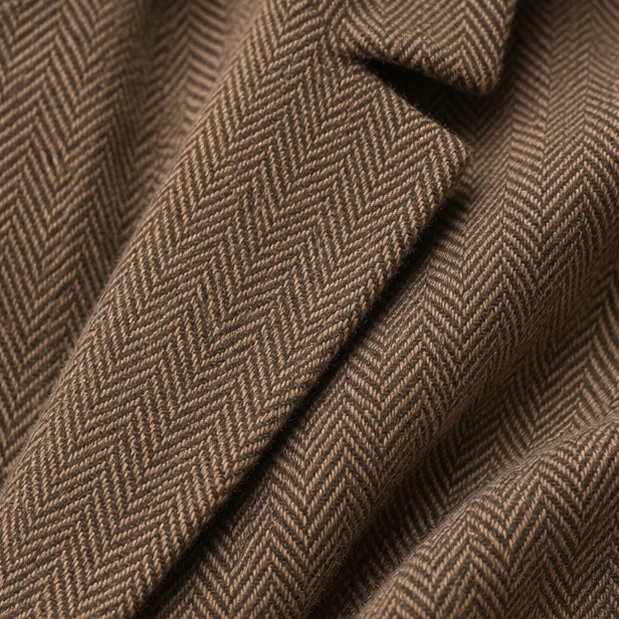
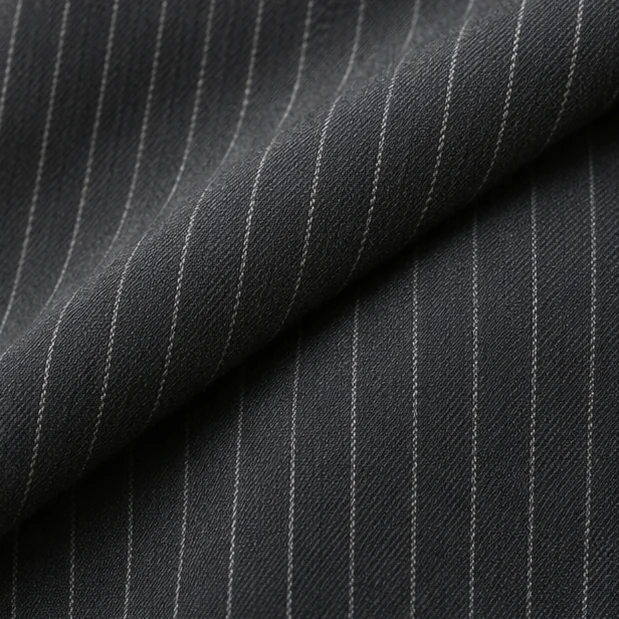
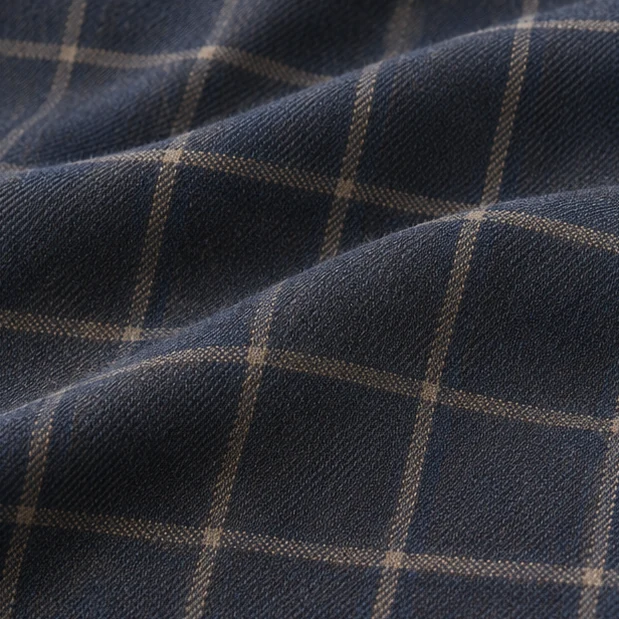
These examples range from a fine trouser stripe to a heavier cloth for a long coat.
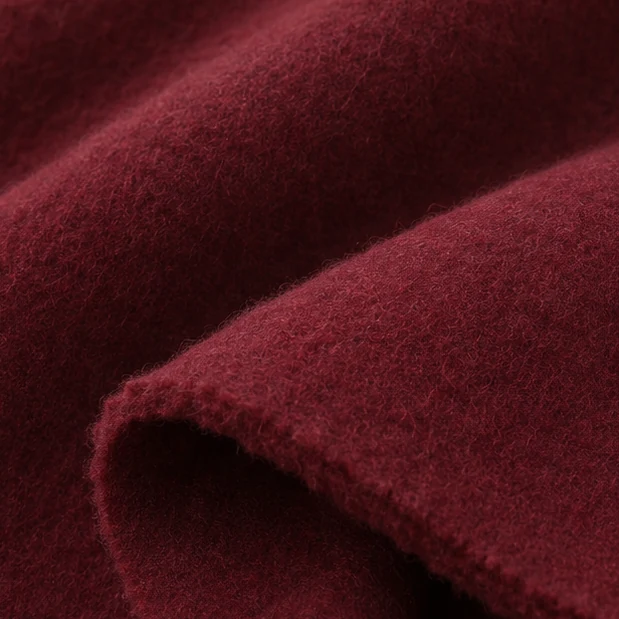
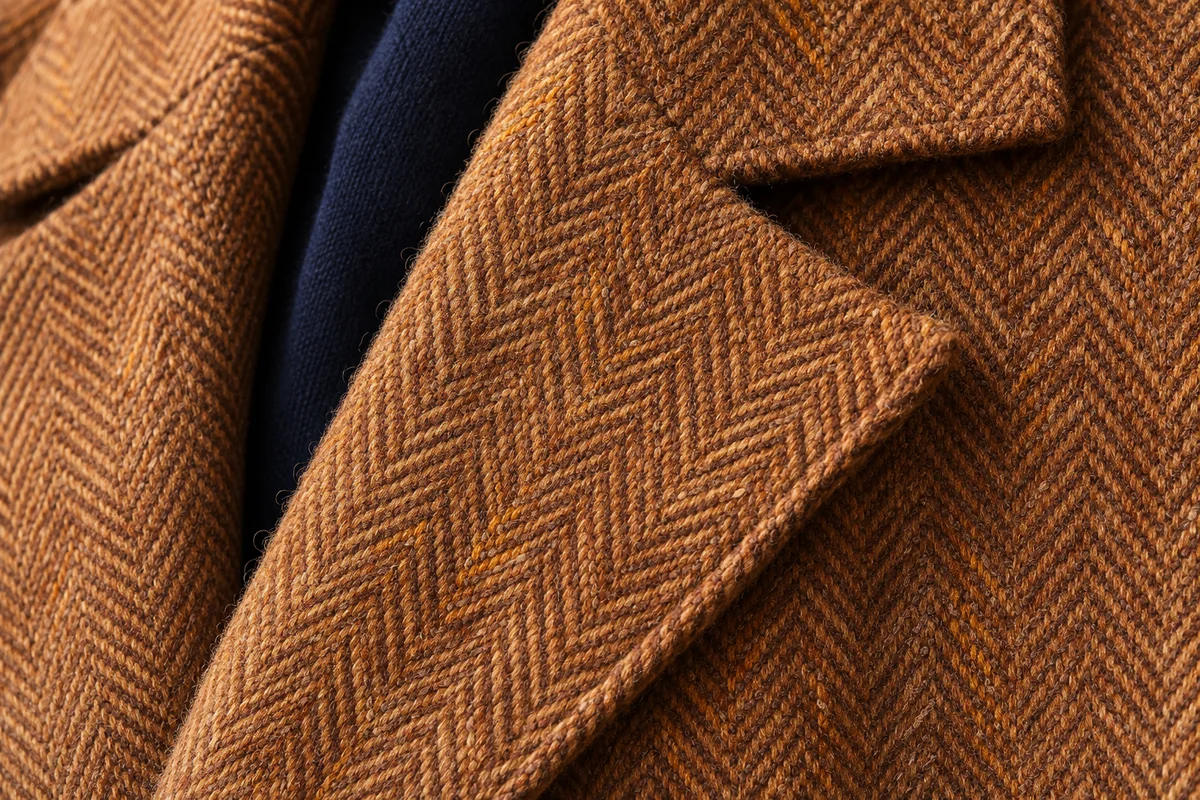
Suiting weight and coating weight
Begin with the garment’s structure and how much cloth gathers at seams.
- 200–300 g/m²
A reference range for suits and trousers. - 350–520 g/m²
A place to start for wool coats. - At the turning point
Compare both weights at the collar, lapel and cuff. - With lining
Feel the finished layers together before settling on the outer cloth.
Width for a tailored layout
The cuttable width matters most where a long or wide piece has little room to move.
- Jacket fronts
Include the full lapel and front edge in the layout. - Trouser legs
Mark the rise, knee width and break at the shoe. - Pattern repeat
Leave room for the checks or stripes that should meet. - Order note
Record the usable width beside the reference and weight.
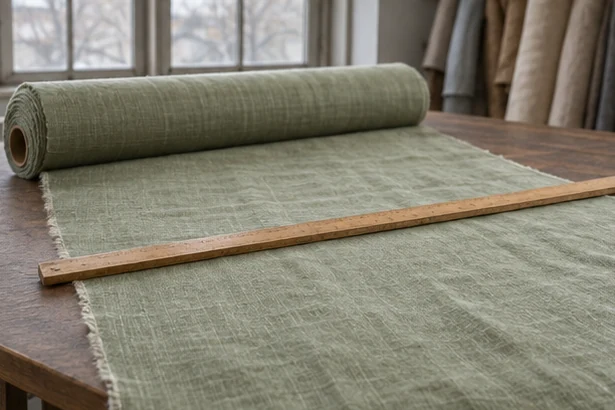
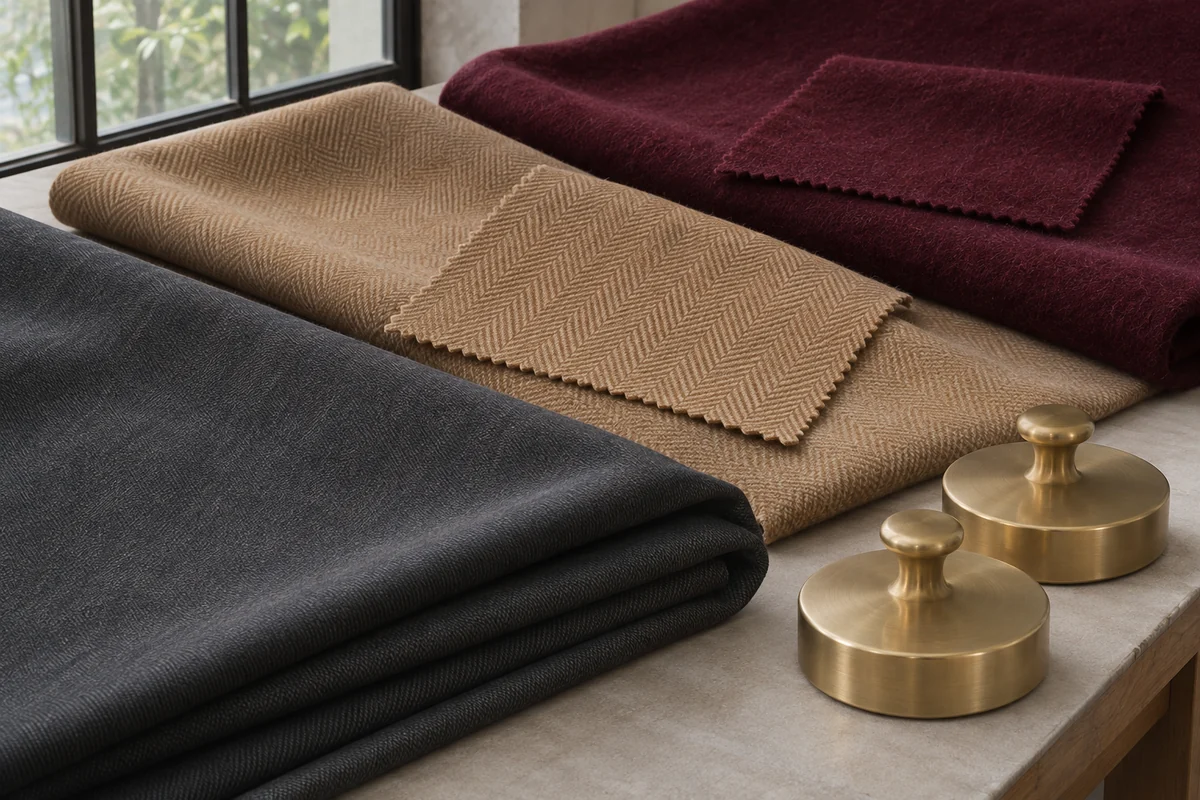
Solid, stripe or check?
The pattern and the direction of a brushed surface can change the color you see across a seam.
- Solids
Put two panels side by side under the same light. - Herringbone
Look at the scale of the weave against the lapel. - Checks and stripes
Identify where the pattern should line up. - Matching separates
Flag jacket and trouser lengths that should come from a matching lot.
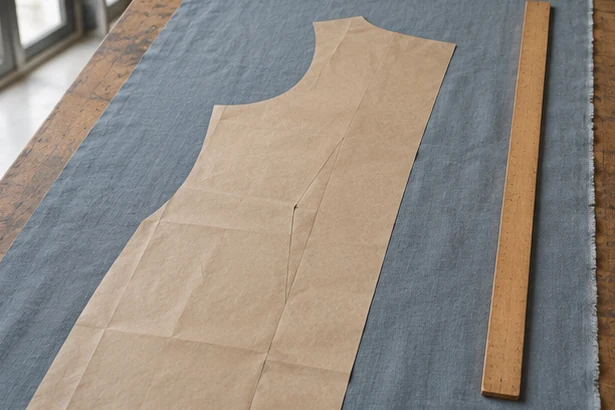
Calculating cloth for a two-piece suit
Give the cutter both patterns before fixing the roll quantity.
- Jacket
Include facings and any pieces cut from the outer cloth. - Trousers
Add the separate trouser layout in each size. - Sample
Set aside enough cloth to check the seams and lapels in one suit. - Color totals
State the length per shade and the unit so we can check available rolls.

Approving wool for the cutting room
A swatch with the right face marked is especially useful on a subtle herringbone or brushed coating.
- Supplier code
Keep the reference with the signed cutting. - Fabric weight
Record the g/m² figure your team approved. - Pattern direction
Mark the top of the garment on the approved face. - Packing note
Tell us how the warehouse wants the rolls identified.
Wool composition and handle
Handle comparable weights if you are deciding between pure wool and a wool blend.
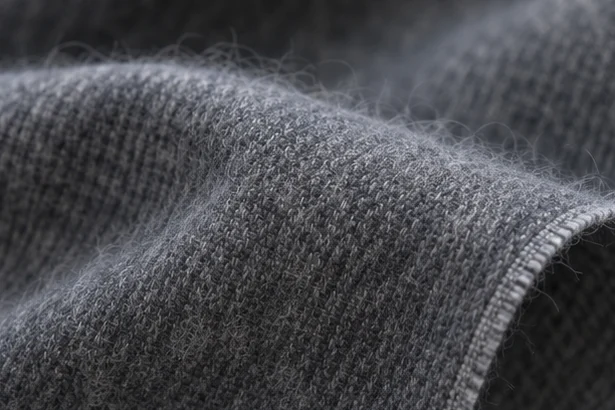
What is in the blend?
Request the percentages for the exact suiting or coating on the card.
Check wool content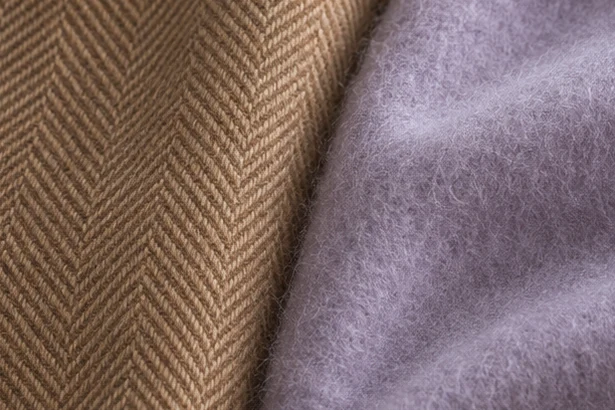
Wool or cashmere?
Compare the spring you want in the lapel with the softer surface of a cashmere reference.
Discuss a comparison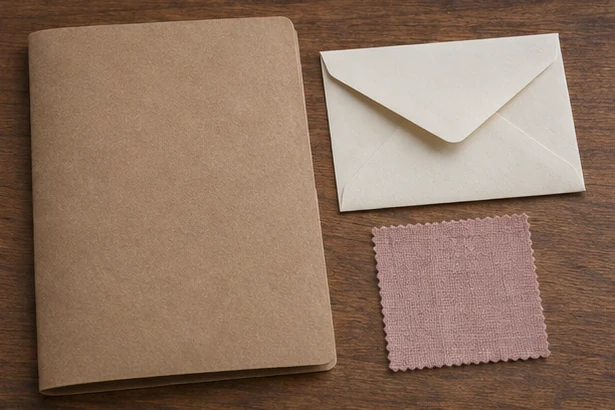
Buyer’s report
Send the required document name so we can check its scope and availability for the cloth, supplier and use.
Ask about supporting records
Opening the wool roll
Match its reference, shade and pattern direction to the approved cutting. On a suit order, set aside matching jacket and trouser lengths before cutting either piece.
Source wool for a tailored piece
Send the garment sketch, preferred weight, color and fabric length. For a patterned cloth, a cutting or close-up helps us see the scale.
Send a wool inquiry