
WiseNatura

Materials, Cutting and Waste

Less cutting waste starts with the roll: how many pattern pieces will fit across its usable width? We plan that layout before cutting and sort the offcuts by fiber afterward.
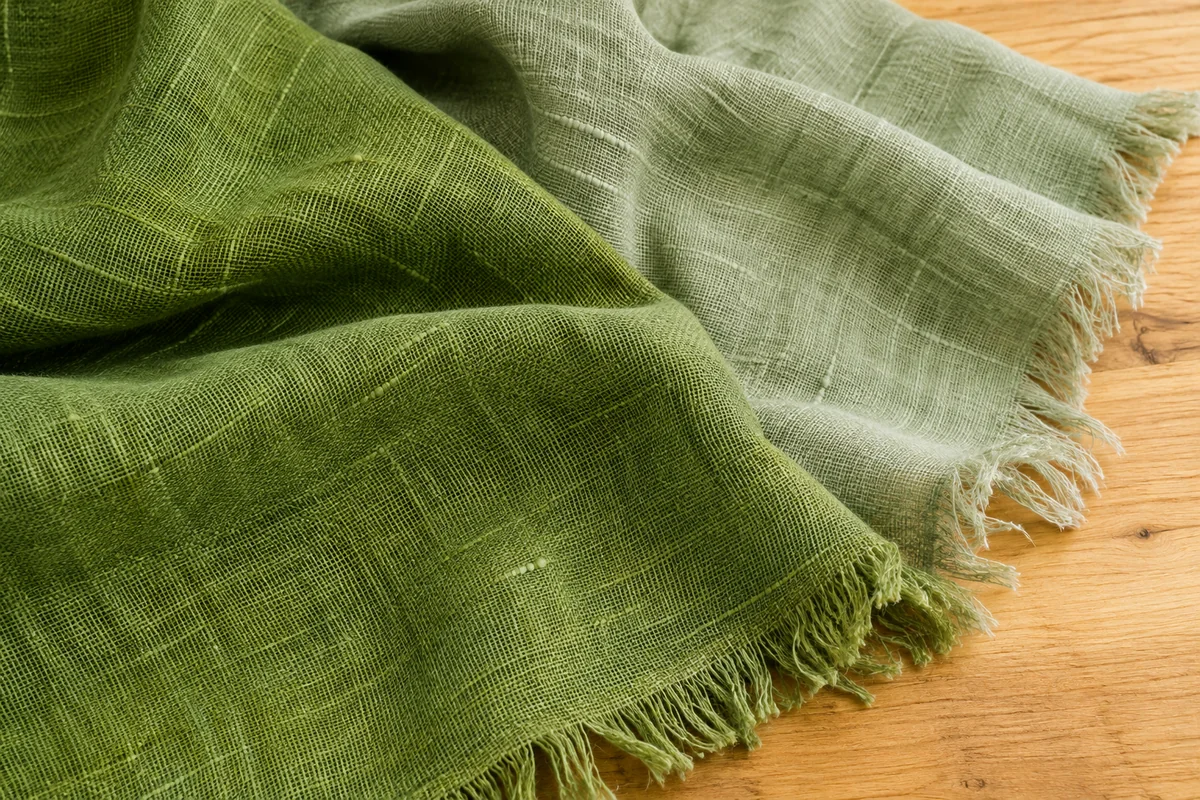
Green linen swatches with fringed edges

Choices to make before cutting

Fabric and packaging both have to work for the order. A change in either can affect the quantity, price or lead time.

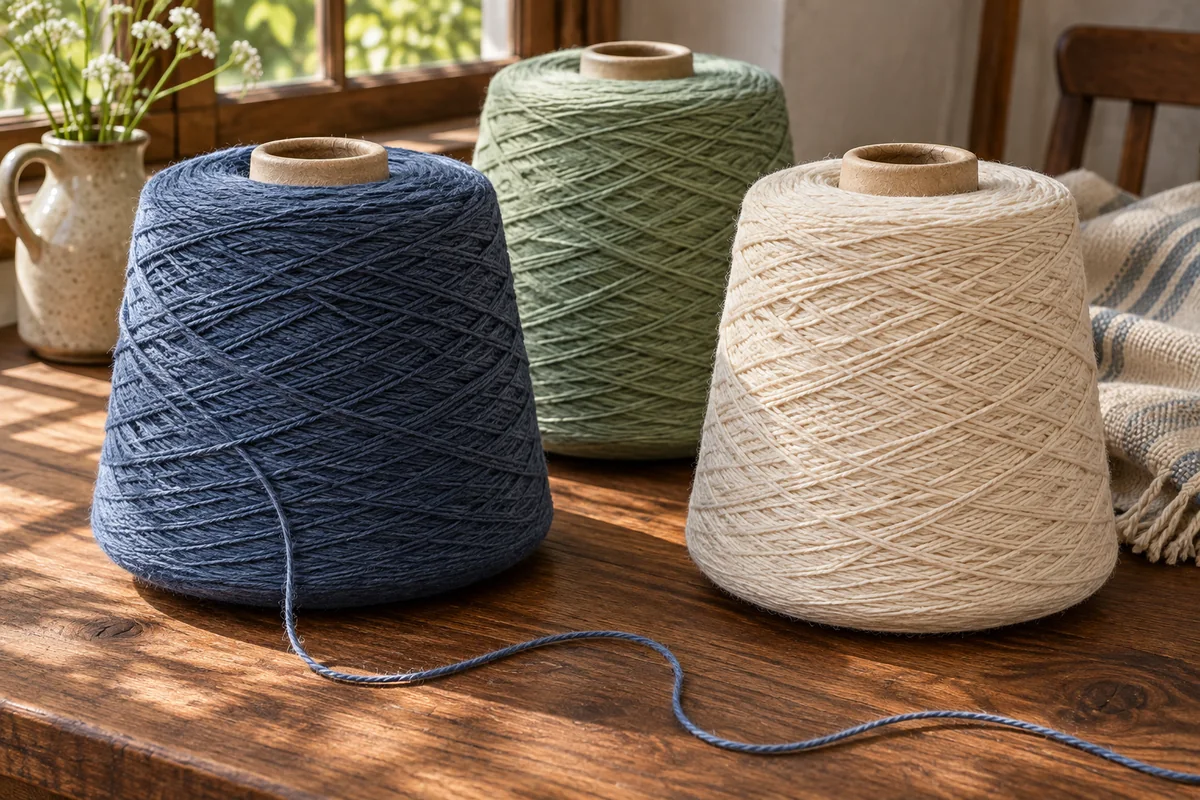
Blue, sage and cream yarn cones on a wooden worktable

Choose the fabric

For organic cotton or recycled material, we check availability for the particular fabric and quantity you need.
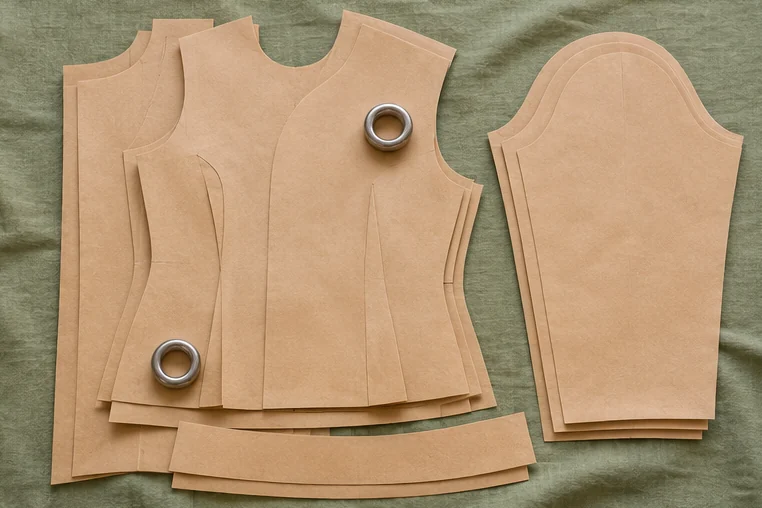
Paper bodice and sleeve patterns held in place on green fabric

Plan the cut

The cutter fits the pattern pieces across the usable width. Checks during cutting and sewing help catch errors before they affect the rest of the run.
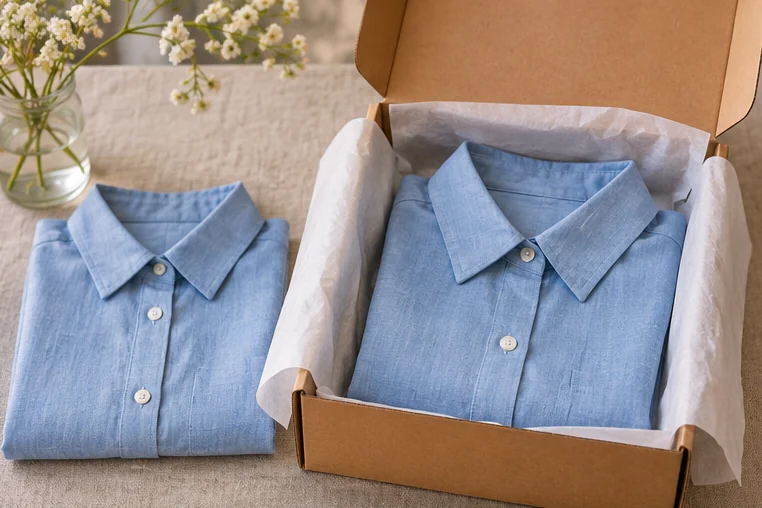
Folded blue shirts beside a tissue-lined kraft box

Size the packaging

An outer carton should fit the garments and still protect them. We can also review whether every layer of plastic is necessary.
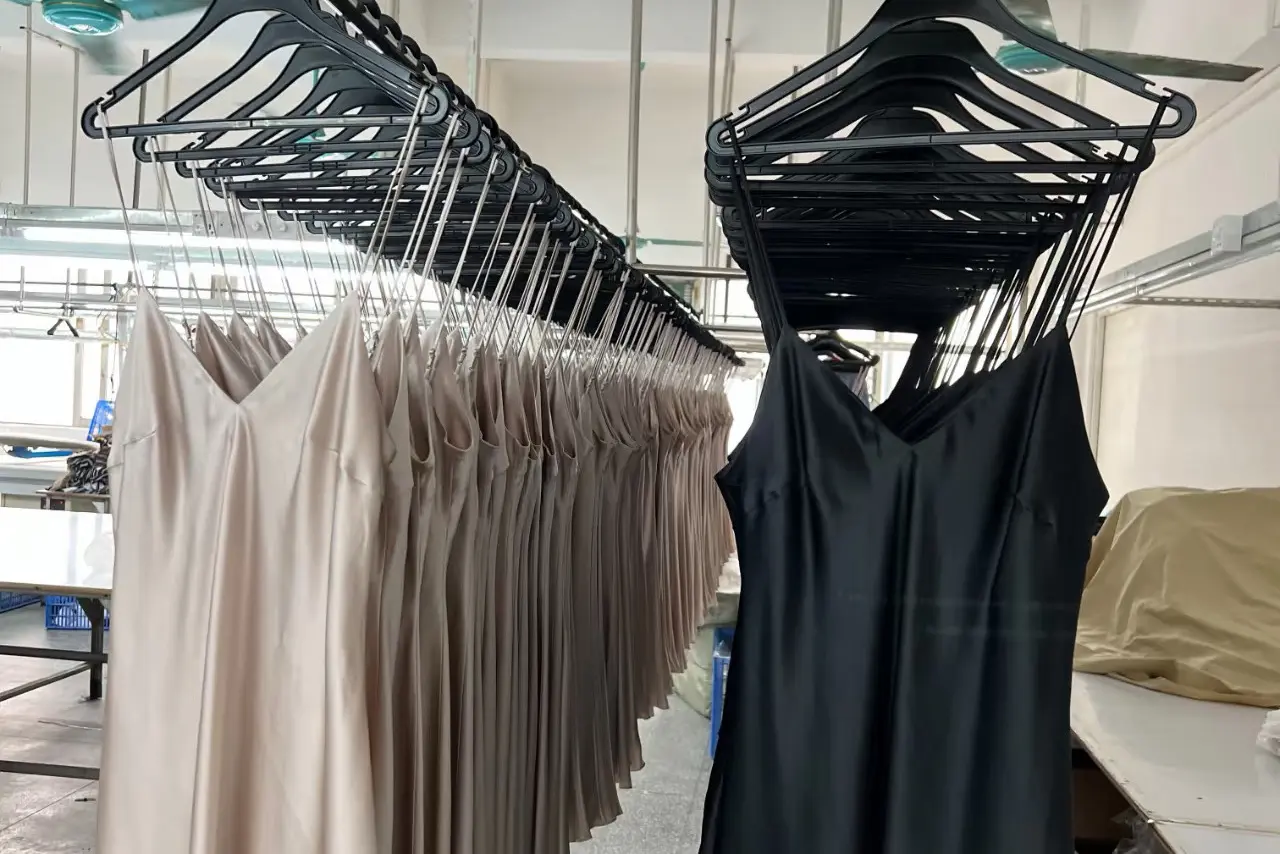
Champagne and black slip dresses arranged on separate garment racks

Choosing cloth for the garment

A fine cloth may have the right drape for a dress but need a lining for coverage. Settle what the garment needs before comparing materials or their documentation.

  • Five core fibers
    Cotton, linen, wool, silk and cashmere form the main range. Organic cotton and recycled options depend on the supplier and current availability.
  • What the supplier can document
    Ask for the fabric specification and the supplier documents available for the material you are considering.
  • If you change the fabric
    Ask for the revised minimum, price and timing. Stock for one finish or composition may not carry over to another.

What happens to the offcuts?

Once the panels come off the cutting table, what remains may be one large piece or a handful of narrow scraps. Their size and composition matter.
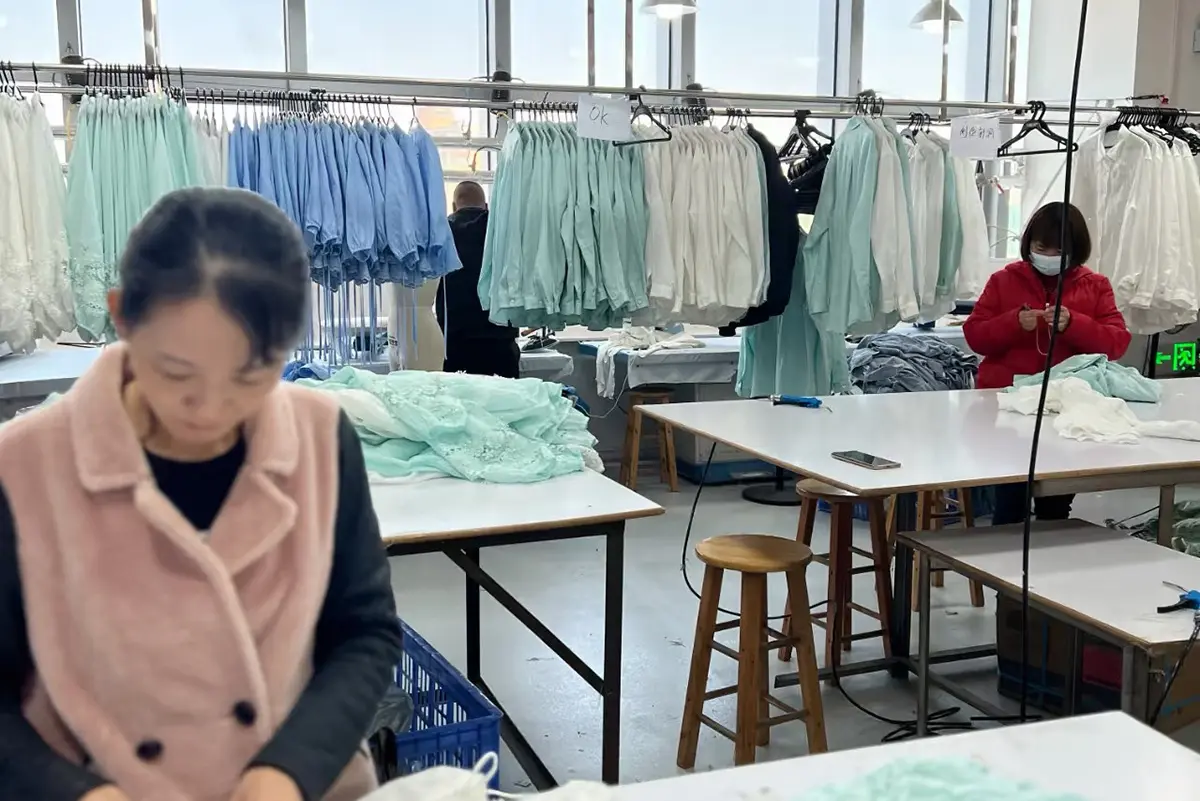
Team members work beside racks of mint and blue garments

Before and During Cutting

Our team inspects the roll and plans the pattern layout before committing the cloth.
  • Check the roll before cutting.
  • Lay out pattern pieces to use the available fabric width.
  • Check the cut and the sewing while adjustments are still possible.
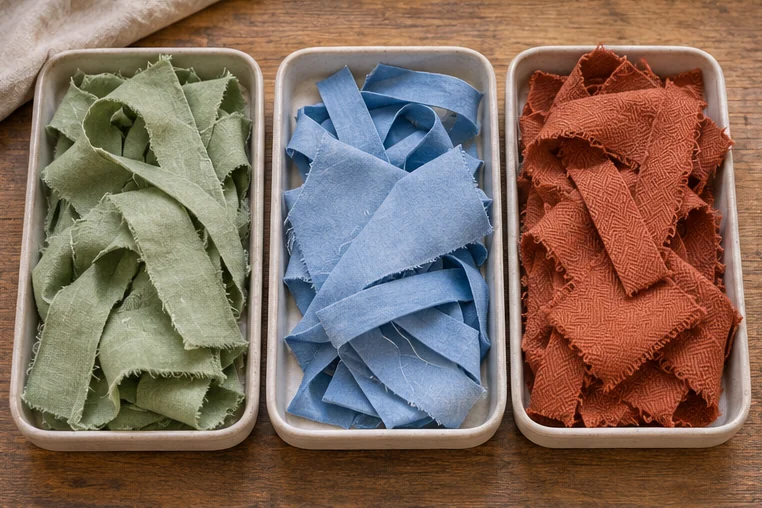
Sage, blue and rust-colored fabric offcuts sorted into separate trays

After Cutting

A clean piece of one fiber and a mixed-fiber scrap may have different uses. We assess the pieces rather than assume they can all be recycled.
  • Separate offcuts by material type.
  • Assess whether pieces are suitable for a second use.
  • Review recycling or disposal options for the remaining material.
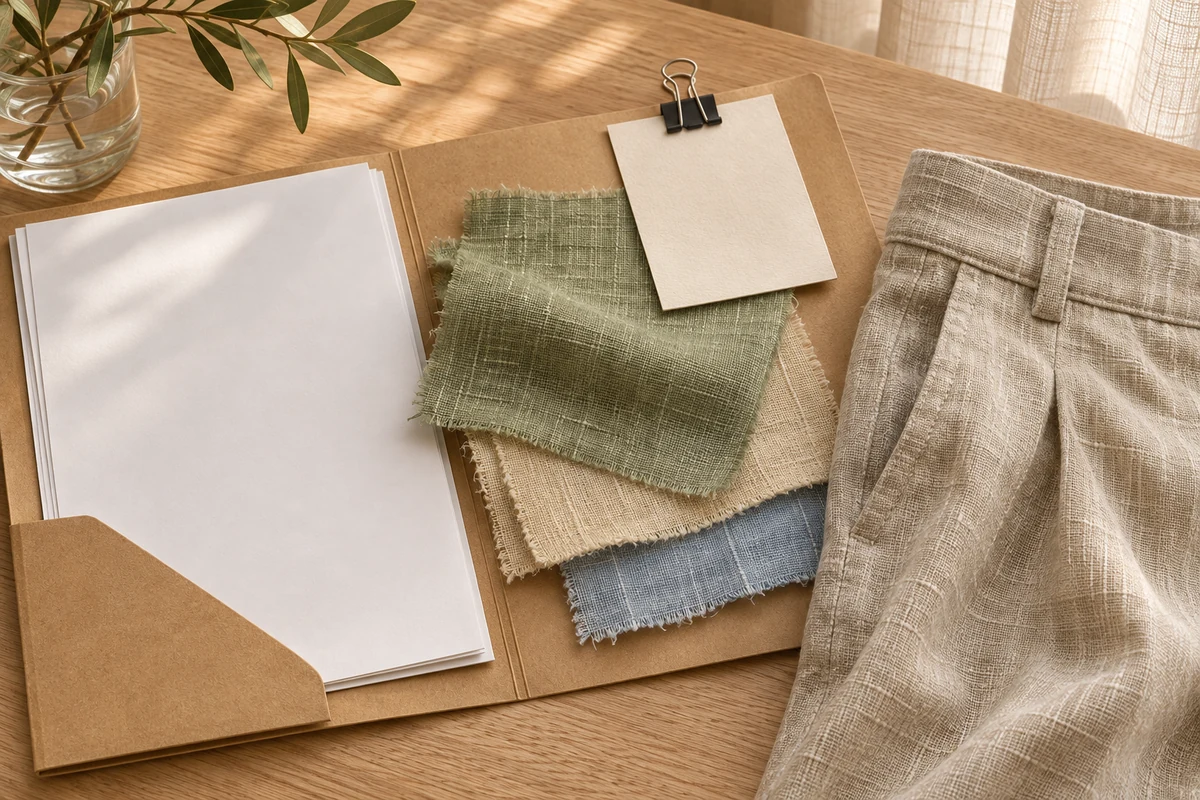
Sage and blue fabric cuttings, a trouser waistband and blank sheets in a kraft folder

What a material claim covers

Before you describe a garment on a label or product page, ask what the available records cover.

  • Material specifications
    A specification identifies the fiber composition and other details for the selected fabric.
  • Supplier information
    We review documents for the actual material and supplier under discussion.
  • Project records
    For a claim on a label or product page, identify exactly which component it describes and what evidence is still needed.

Have a packaging or material requirement?

Send the fabric reference or describe the packaging you want to replace. If your buyer requires supporting records, include that request.

Talk to Our Team

Questions about lower-waste choices

The options depend on the cloth and shipment. We confirm what is available for the order in question.

We work with cotton, linen, wool, silk and cashmere. We can also check current organic cotton and recycled options against the garment and quantity you have in mind.
Give us the fabric reference and the detail you need to verify. We’ll check which specifications, supplier documents or reports apply to it.
We plan cutting layouts to make use of the fabric width, then sort offcuts by material type. Their condition and composition help determine whether secondary use, recycling or disposal is suitable.
Kraft paper, recycled paper and recyclable cartons are options to discuss. The choice depends on how the pieces will travel and what protection they need.
It can. A different material can mean a different minimum, price or lead time. We check stock and quote the change before you commit.
WhatsApp Chat with us