
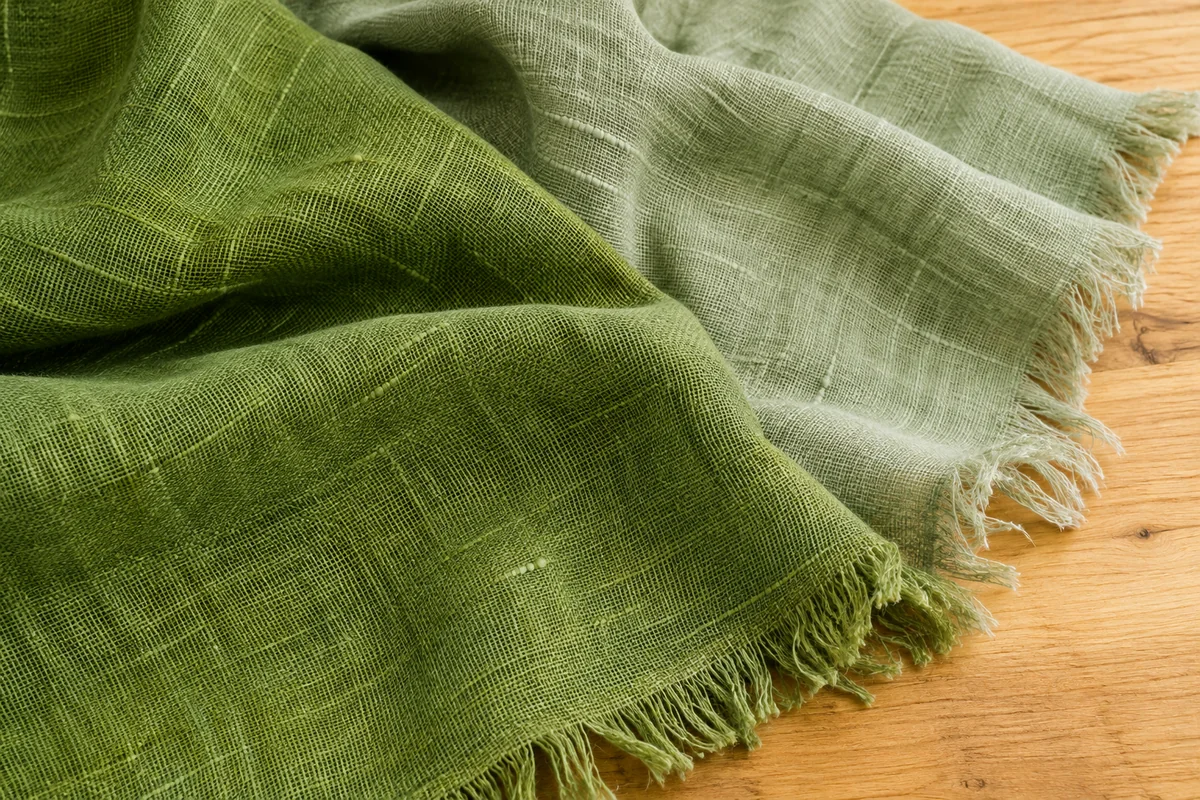
Linen Fabrics
Pale linen trousers can show the outline of a pocket in daylight. Hold the swatch over the pocket lining, then crease it at the knee to see how the cloth will look after a morning’s wear.
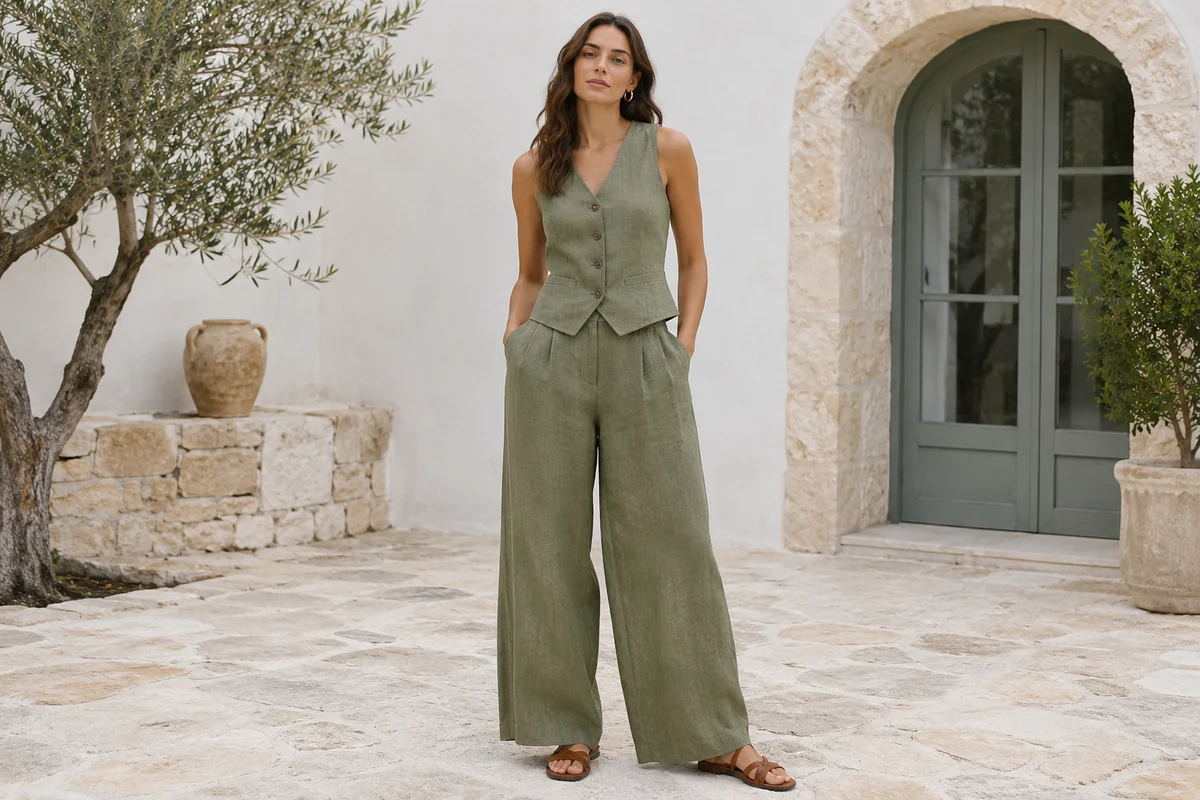
A linen brief for a summer collection
- Show us the shape of the shirt, trousers or dress.
- Say how crisp or soft the cloth should feel.
- Mention any lining, especially for a light shade.
- Include a preferred weight and usable width if you know them.
- Estimate the length per color so we can check the stock and minimums.
Sourcing for a matching summer set
A linen waistcoat and trousers put two different demands on one cloth. Tell us which detail matters most.

On the pattern
The waistcoat front needs enough body to hold its edge. Hang a longer piece of the same linen to see how the trousers would fall.

Possible blends
We check current linen and cotton–linen references in the colors you need.

A first cut
Try the swatch over your pocketing or lining to judge coverage.

Your layout
A wide trouser leg can set the minimum usable width for the whole set.

Before cutting
We check the incoming cloth against the material and shade agreed for the order.

For the workroom
If the two pieces go to the same cutter, tell us how the rolls should be marked and where to send them.
Linen for a holiday wardrobe
An open shirt can use an airy cloth. A trouser leg or a fitted waistcoat may need more body.
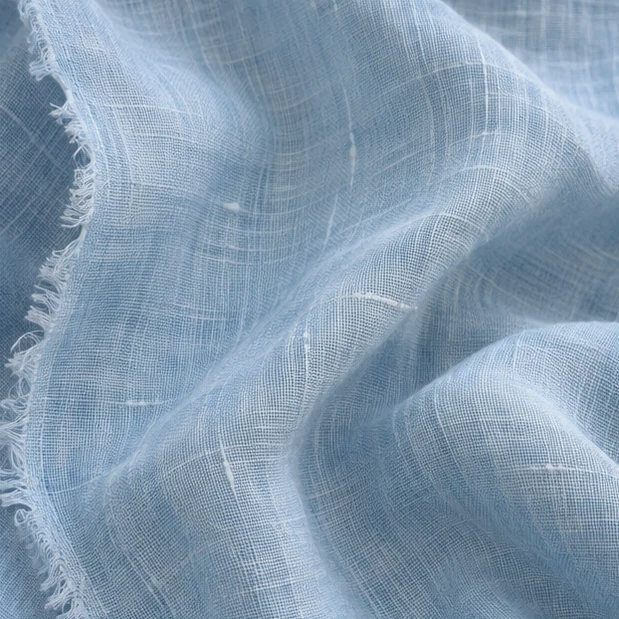
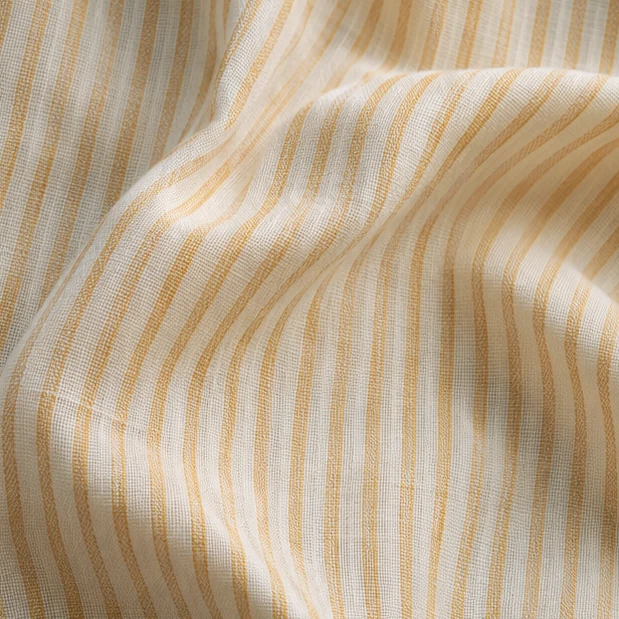
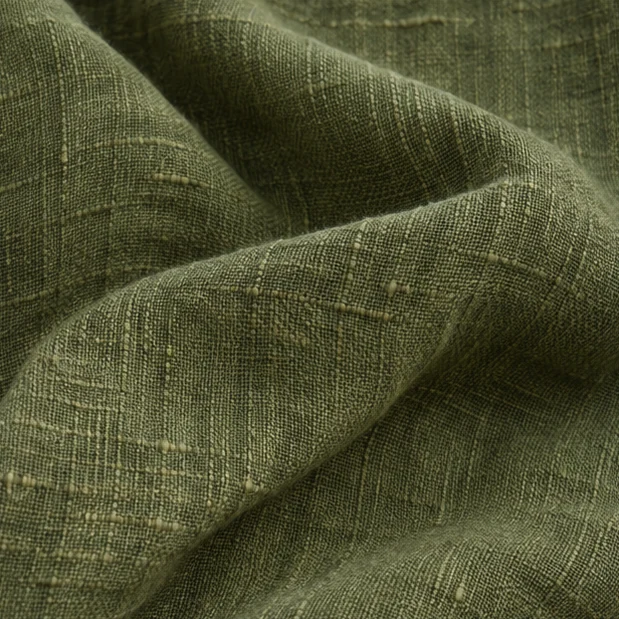
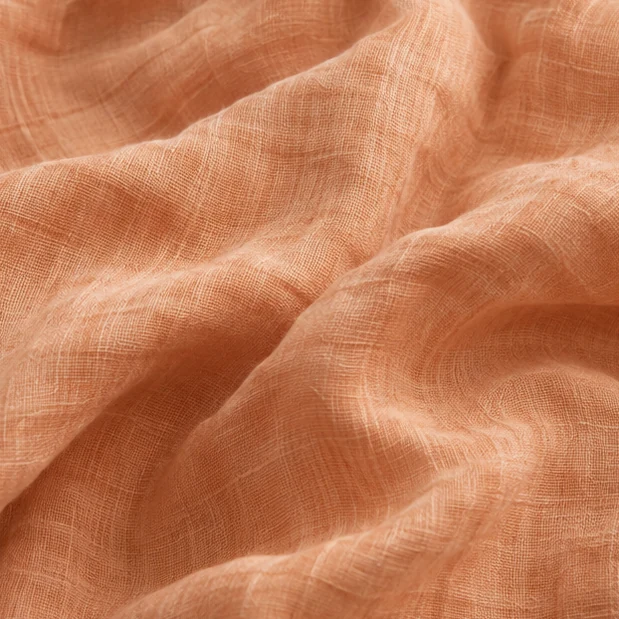
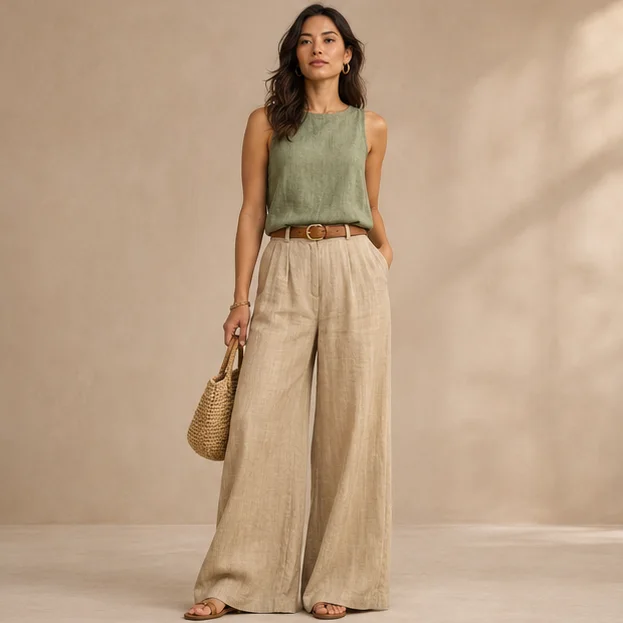
Weight for shirts and trousers
The weight you sample depends on both the garment and how much coverage the color gives.
- Resort shirts
Look at 120–160 g/m² for a light shirt. - Wide-leg trousers
Try 160–200 g/m² for trousers or a light outer layer. - Waistbands
Build up the folded edge to judge thickness when the layers meet. - Dresses
Hold the cloth at skirt length if possible and look at the fall.
Will the trouser pieces fit the width?
A wide leg can change the whole cutting layout. Ask for the usable width before you commit to a length.
- Pattern width
Include the widest part of the leg and the seam allowance. - Finished length
Show where the hem should sit over a shoe. - A second style
If the waistcoat uses the same cloth, include its pieces in the layout. - Length by shade
Send separate estimates for the natural, dyed or striped options you want.
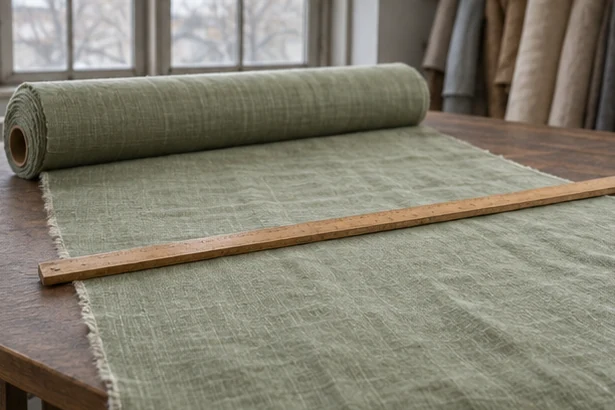
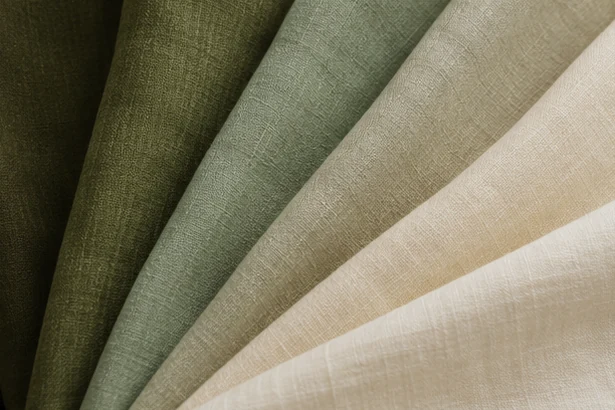
Natural, dyed and striped linen
Surface texture is easiest to judge in the shade you will order.
- Olive and sage
Place neighboring shades together near a window. - White or cream
Check for show-through over both the wearer’s underlayer and a doubled seam. - A stripe
Look at a wider piece if the spacing matters at a shirt front. - The approved color
Keep the physical swatch and its reference together for the order.
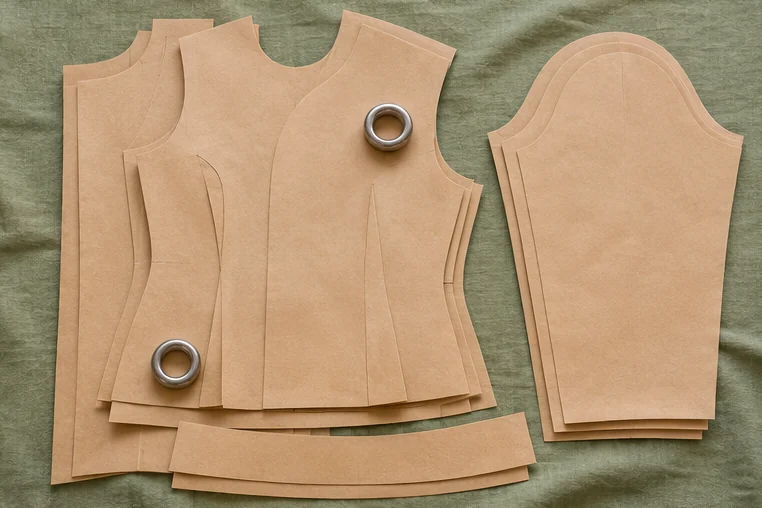
From a sample length to a cutting order
A single summer set may use the same linen in the top and bottom. Work out both lengths before asking about stock.
- Trial set
Include enough cloth to try the crease and coverage in the cut. - Pattern matching
Tell the cutter whether stripes should line up at the pocket or side seam. - Meters or yards
Mark the unit next to each color total. - Roll lengths
We check whether the available lengths suit your layout and quantity.
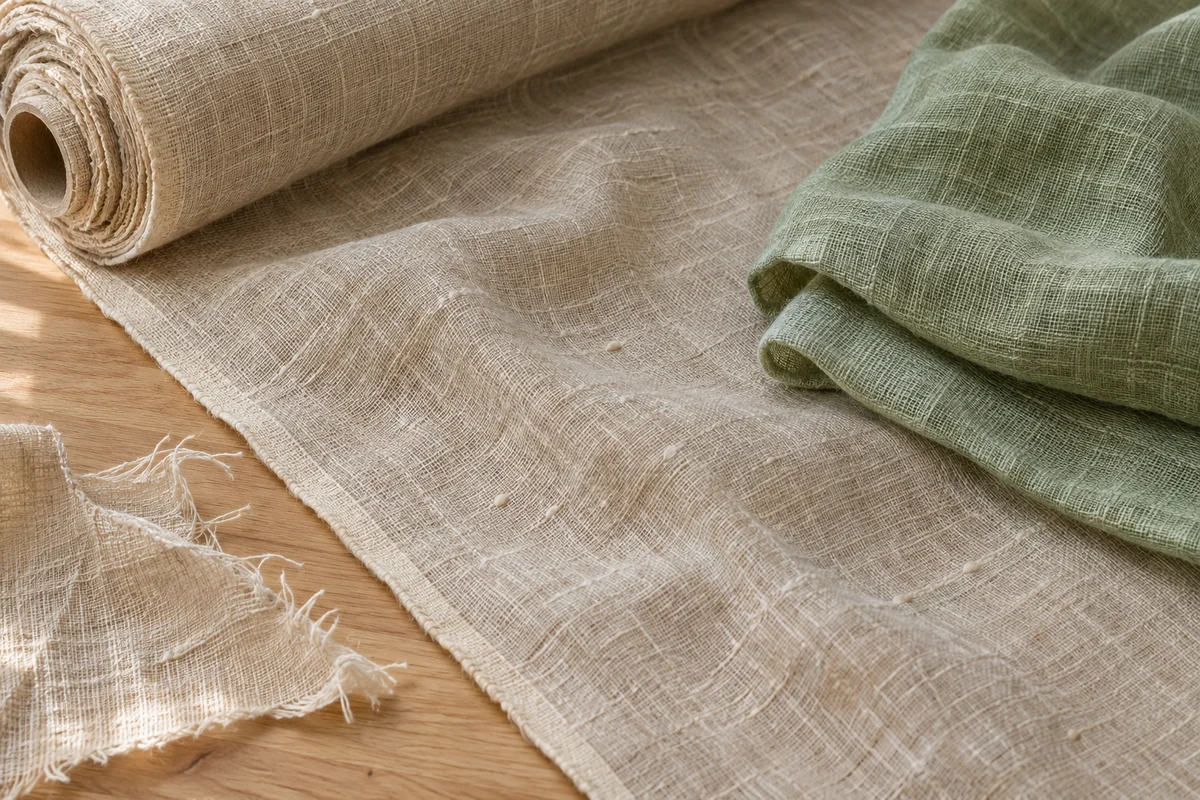
Keeping a linen set together
A waistcoat and trousers worn side by side make differences in shade and texture particularly visible.
- Dye lot
Flag the two pieces as a set when asking about stock. - Surface reference
Retain the cutting that shows the texture you approved. - Specification
Note whether the reference is linen or a cotton–linen blend and record its weight. - Roll marks
Give your warehouse the references it needs to group the cloth.
Linen and cotton–linen side by side
Choose the crease and texture on the swatch, then confirm exactly what it contains.
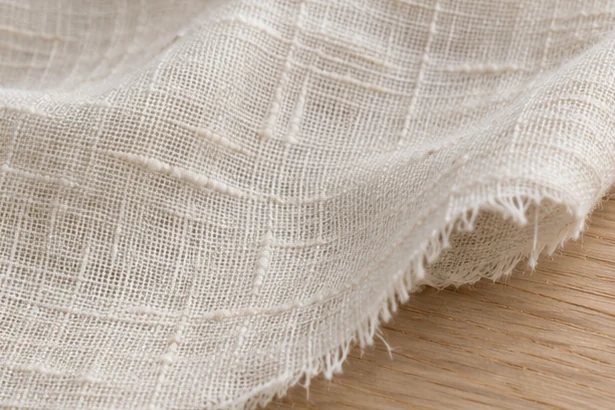
Fiber mix
The cotton percentage matters if the buyer has specified a particular blend.
Check blend percentages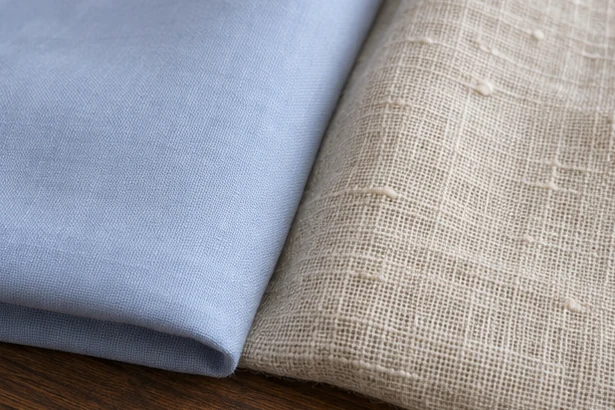
Feel after folding
Fold both swatches in the same direction and compare the hand and creasing.
Request a comparison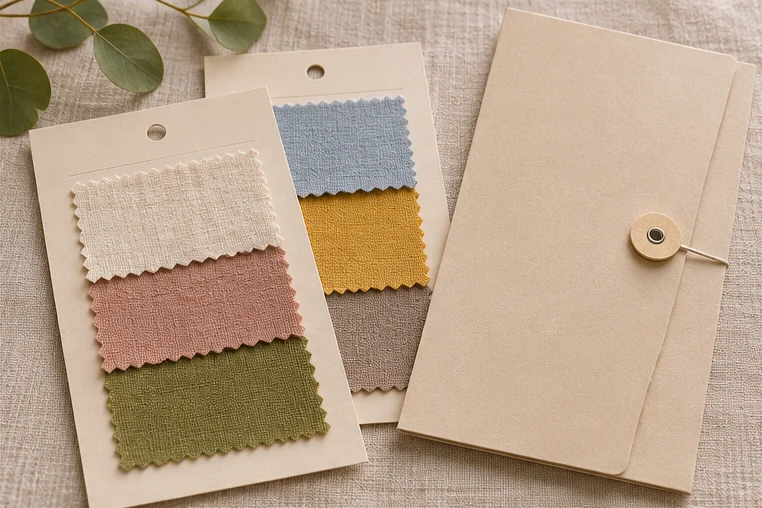
Documents for a buyer
Identify the record required and the intended use. What is available depends on the fabric and supplier.
Check available records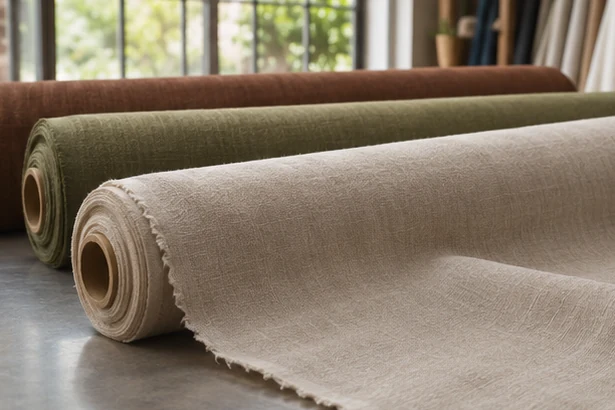
Laying out the first roll
Put the approved cutting on the open cloth. Look along the width for the shade and texture you selected before cutting the pieces of a matching set.
Which linen would you like to try?
A photo of the garment and your notes on softness, color and coverage will help us choose swatches to discuss.
Request linen options