
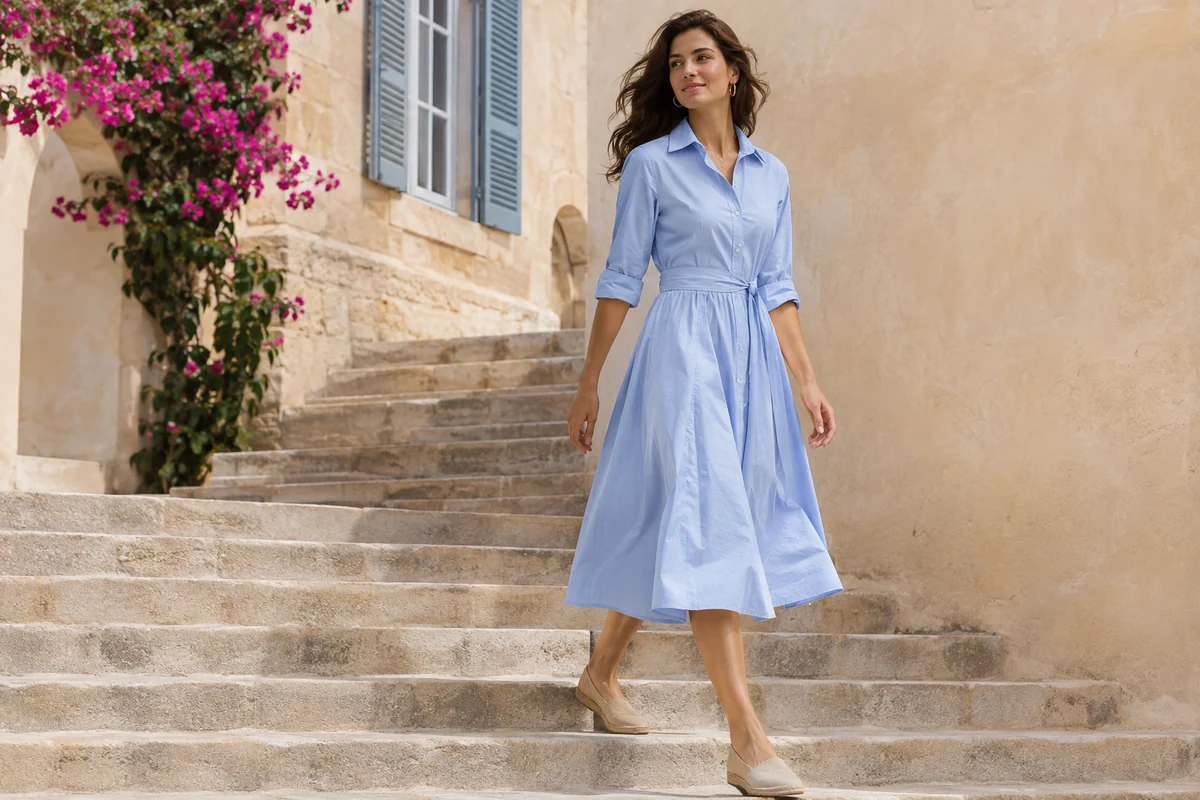
Custom Cotton Clothing
A boxy tee needs room through the chest. A belted shirt dress needs enough ease to sit down with the buttons closed. We cut both to your label’s size chart in cotton or a cotton blend.
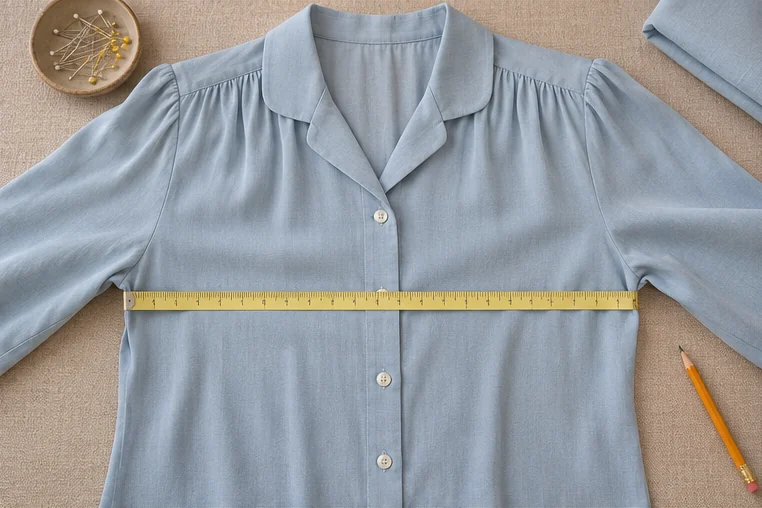
The measurements behind a good cotton basic
- Start with the piece you want to fit. A size chart, a well-fitting shirt or a marked-up photo can show us the proportions.
- On a button-down, mark the shoulder seam and say whether the hem will tuck in. On a tee, give the chest width and length.
- Include the cotton content and weight if you know them. A fabric reference also helps.
- We normally start bulk orders at 10 pieces for one style, color and fabric. Smaller quantities are reviewed individually.
- Let us know if your buyer needs a particular report for the fabric.
Taking a shirt from sketch to sample
For a relaxed fit, the shoulder seam may sit well beyond the shoulder point. We need to know whether that drop is intentional before cutting a sample.

Pattern and sewing room
Our cutting and sewing teams use the same approved shirt measurements at our 2,800 m² factory in Hangzhou.

Choosing the cloth
For a button-down, we check available shirtings. For a tee, tell us how much weight you want in the body and sleeve.

Trying on the sample
Fasten the placket. Look for pulling between buttons and check the sleeve with your elbow bent.

Size chart and artwork
Mark the logo on a drawing of the sample size, and show where the neck and care labels should sit.

Checks on the order
Incoming cloth, seams in progress and finished measurements are all checked against the agreed details.

Reordering a basic
Keep the style and fabric references. We check the current supply and production slot when you reorder.
Cotton shirts and daywear
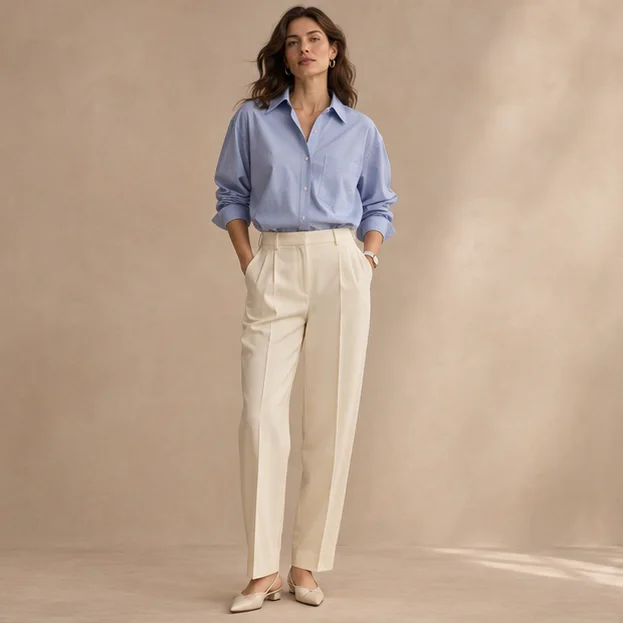
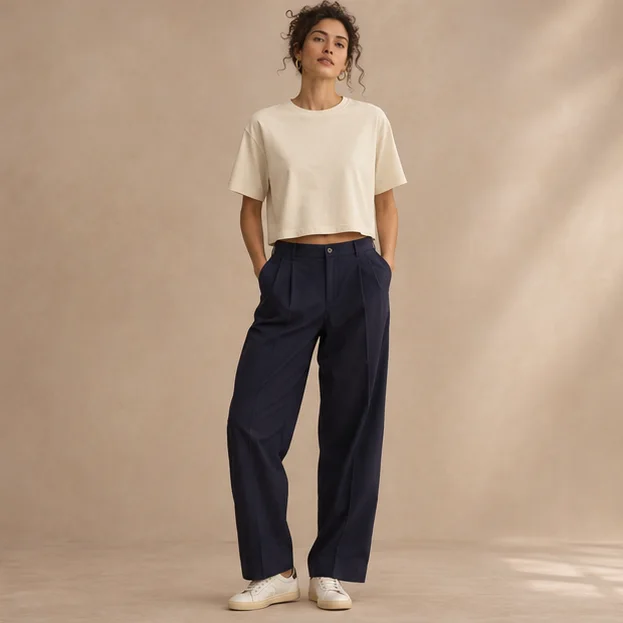
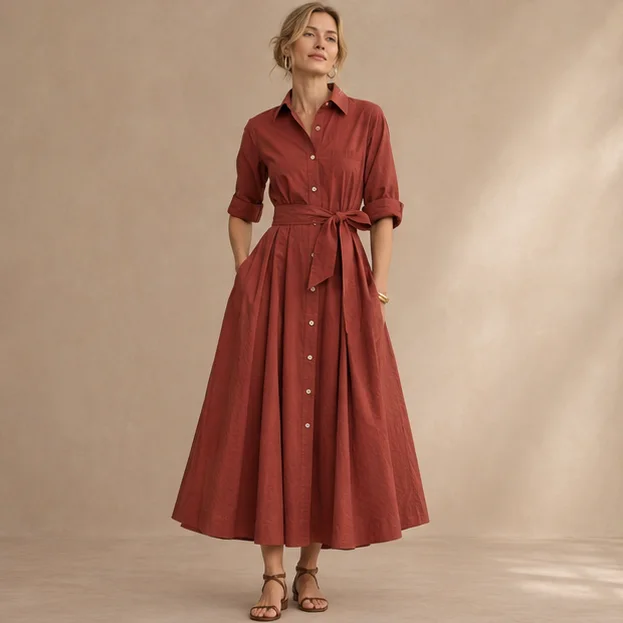
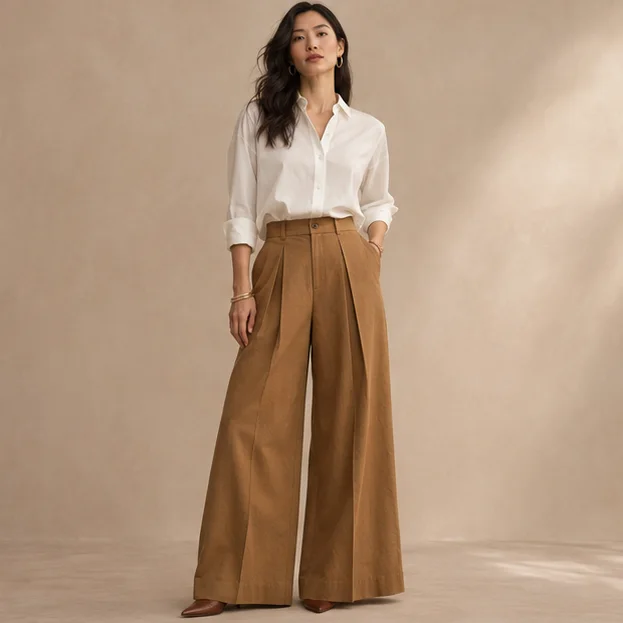
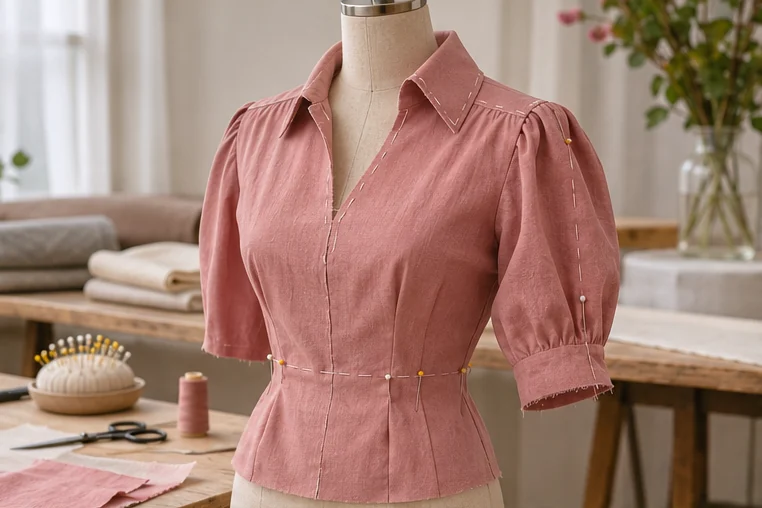
Pick the shoulder, waist or leg shape closest to your brief. These four illustrations are examples for a custom order.
How heavy should the cotton be?
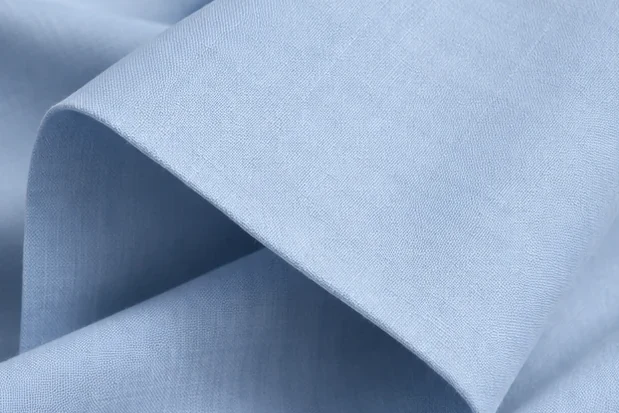
Weight is one clue to how the fabric will hang. Handle the swatch as a collar or a sleeve before deciding.
- Shirt fabrics
Try 100–160 g/m² for shirting. Fold the swatch where the collar would turn. - Tee and sweatshirt fabrics
For a tee or sweatshirt, 160–240 g/m² gives you weights to compare. Availability depends on the cloth and color. - Hand and drape
Feel the surface on both sides, particularly at the inside neck and cuffs. - Approved cloth
Note the composition and weight on the selected swatch so the sample and bulk order refer to the same material.
Shape the shirt body
Small changes at the shoulder, waist or cuff can take one cotton shirt from office wear to a relaxed weekend silhouette.
- Shoulder line
Measure from the neck point to the sleeve seam for a neat or dropped shoulder. - Body ease
Specify whether the shirt should tuck cleanly into trousers or fall away from the waist. - Shirt-dress hem
Mark the front and back lengths and the height of any opening. - Trouser width
Give the finished hip, rise and leg opening for the sweep you want.
How a color reads on cotton
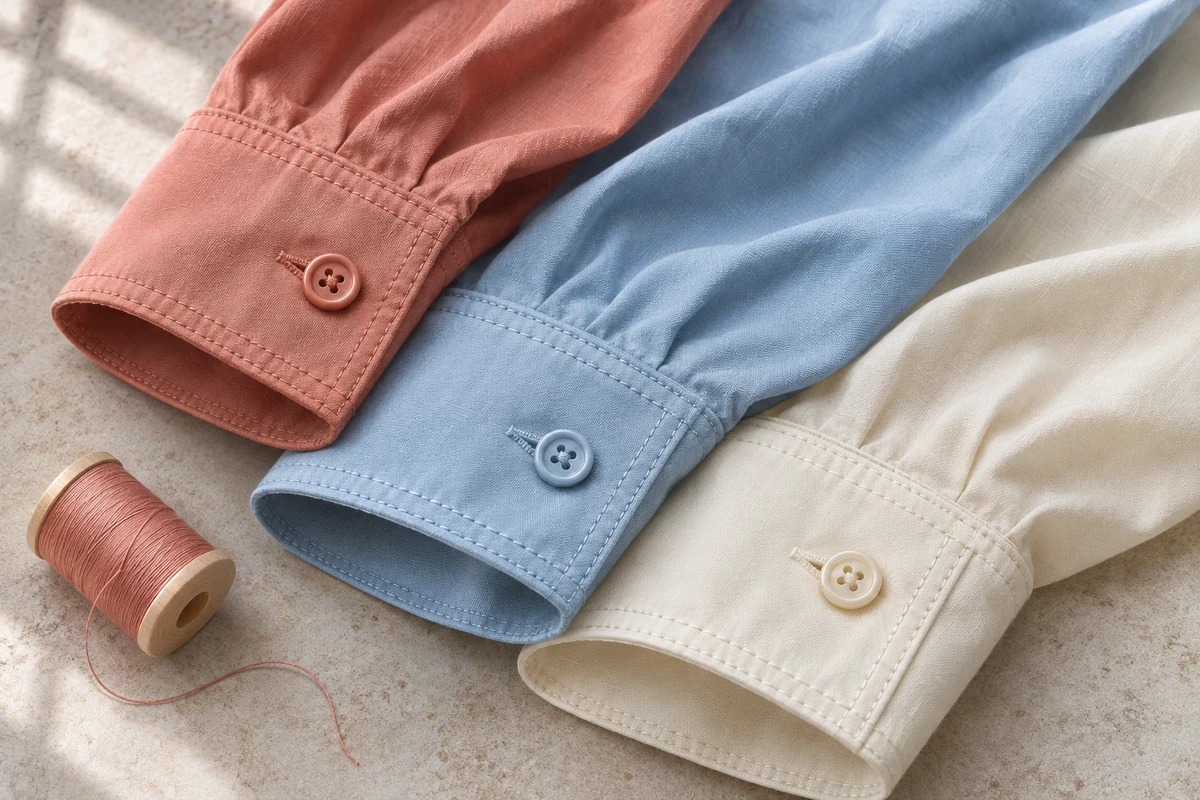
If the range includes a tee and a button-down in one shade, view a swatch of each fabric together.
- Stock colors
Start with the shades on hand in your chosen shirting or tee fabric. - Color target
For a color we need to match, send a Pantone code or a physical swatch. - Comparing the pair
Lay the samples side by side, then turn back the collar or sleeve to see the reverse. - Repeat orders
For a restock, compare the new dye lot with the cotton you approved for the first order.
Work out the collar and cuffs
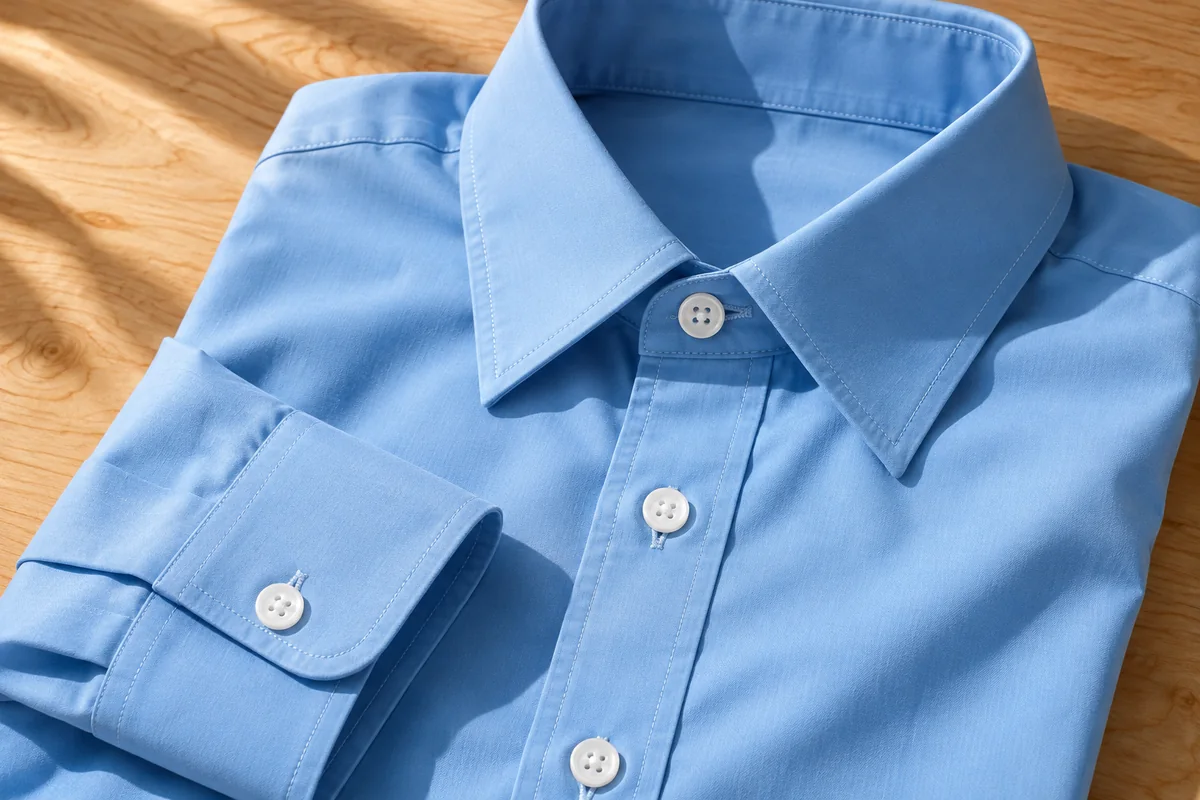
On a button-down, a few measurements settle how the collar looks open and how the sleeve fits at the wrist.
- Collar points
Show the spread and length in a front-view sketch. - Front opening
Indicate placket width and button spacing, especially across the bust. - Sleeve end
Choose the intended cuff depth and show how the sleeve looks turned back. - Branding
For a tee, place artwork on the front view and check its scale on the sample size.
Folding, tagging and sorting cotton basics
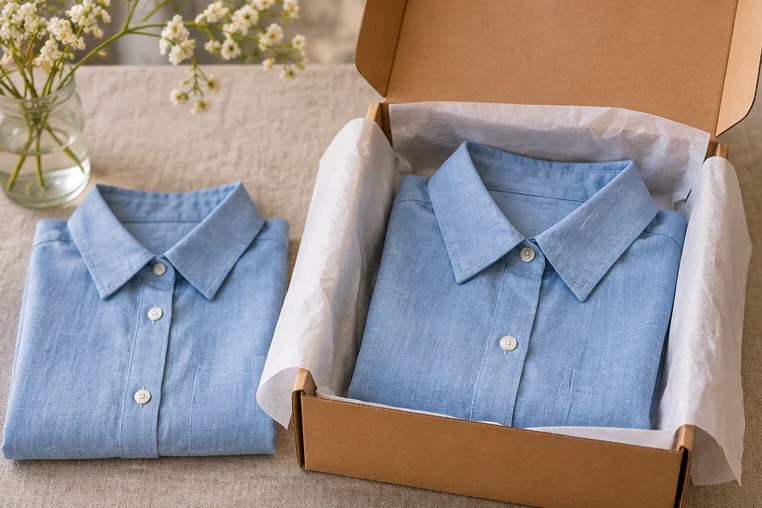
A run of similar-looking tees can contain several sizes. Tell us which details your receiving team needs to see on arrival.
- Hangtags
Supply the print-ready artwork and choose the tag position on the garment. - Unit packing
Show us your preferred fold and where the size label should be visible. - Cartons
Give us the quantities by size and color if the order needs to arrive sorted. - Paper packing options
We can discuss kraft or recycled paper and recyclable cartons once we know how the shirts will be packed.
Pure cotton or a blend?
Bring the cotton content, cloth weight and a swatch together when you decide which fabric fits the design.
Composition
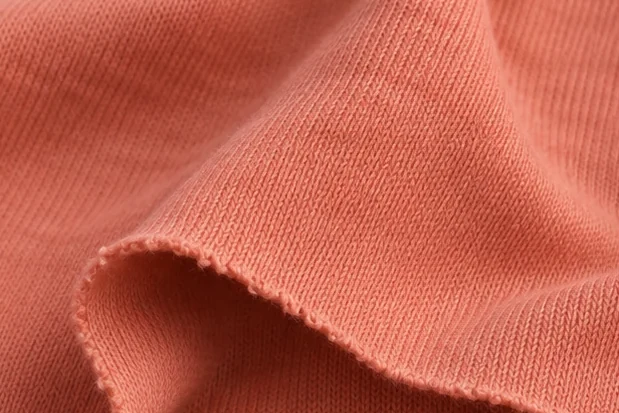
Specify 100% cotton if your label requires it. For a blend, ask what the other fibers are and how much of each it contains.
Check cotton content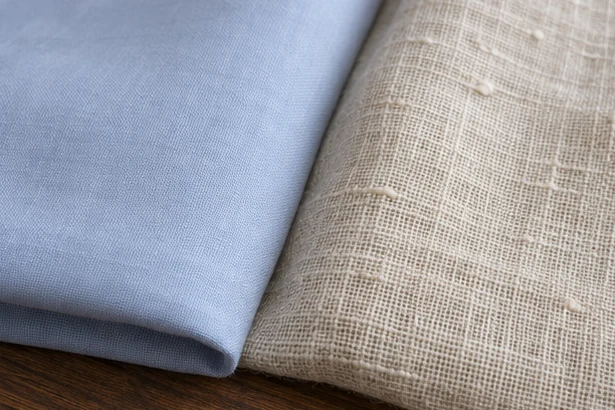
Cotton beside linen
Compare two swatches of similar weight. Cotton often feels softer, while linen usually has a crisper hand.
Compare swatches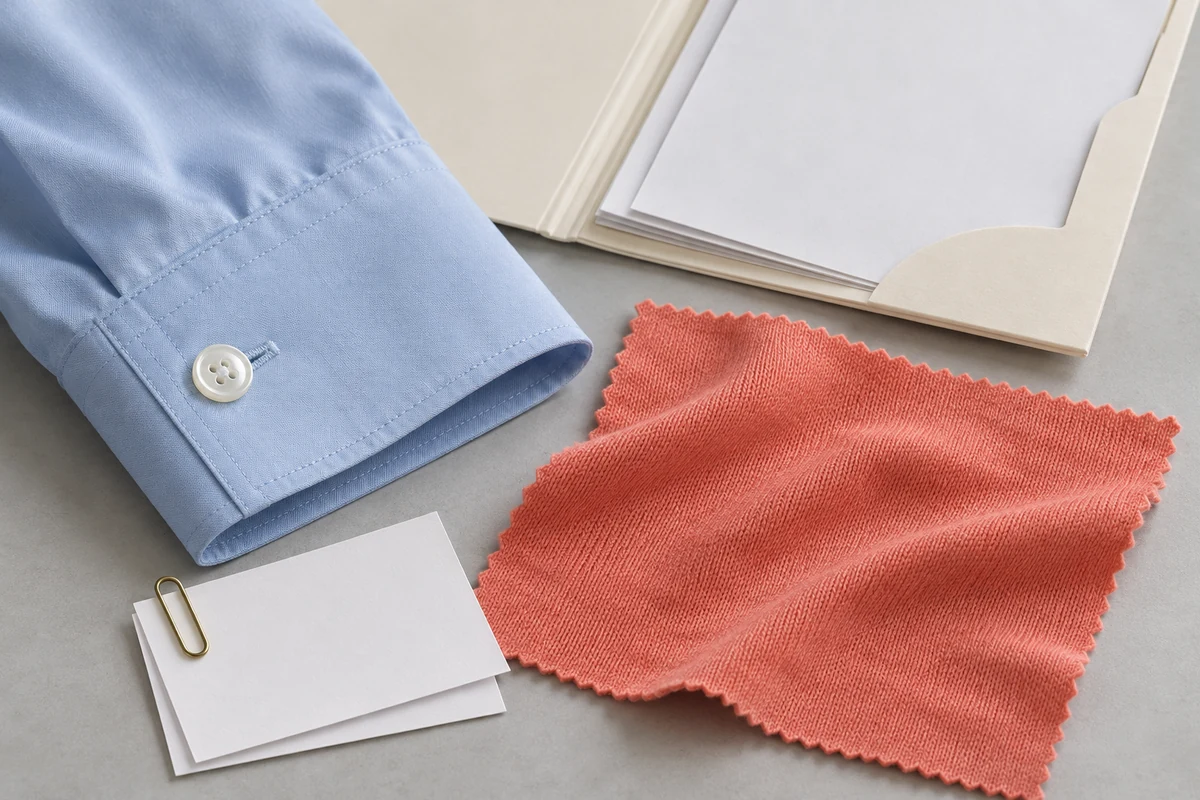
Fabric paperwork
If a retailer asks for a report, give us its name and the intended use. Availability depends on the cloth and its supplier.
Ask about a report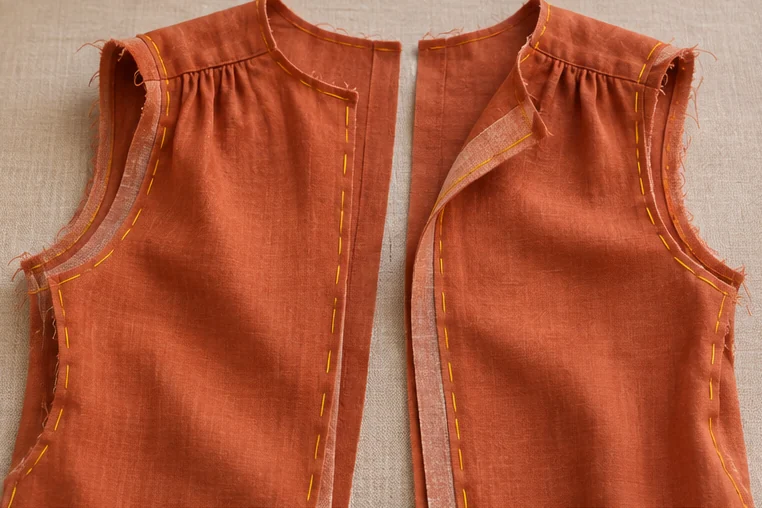
The shirt we use for the production check
Once you sign off on the fit, the placket, collar and cuffs on that shirt are the reference for sewing. We also use the agreed measurements to check finished pieces before they are packed.
Tell us about your cotton style
Include a sketch or a shirt you like, the size range, the units in each color and when you need them.
Get a Custom QuoteCotton order questions
Ordering both shirts and tees? A switch in style, color or fabric affects the quantity breakdown.