
Custom Silk Clothing
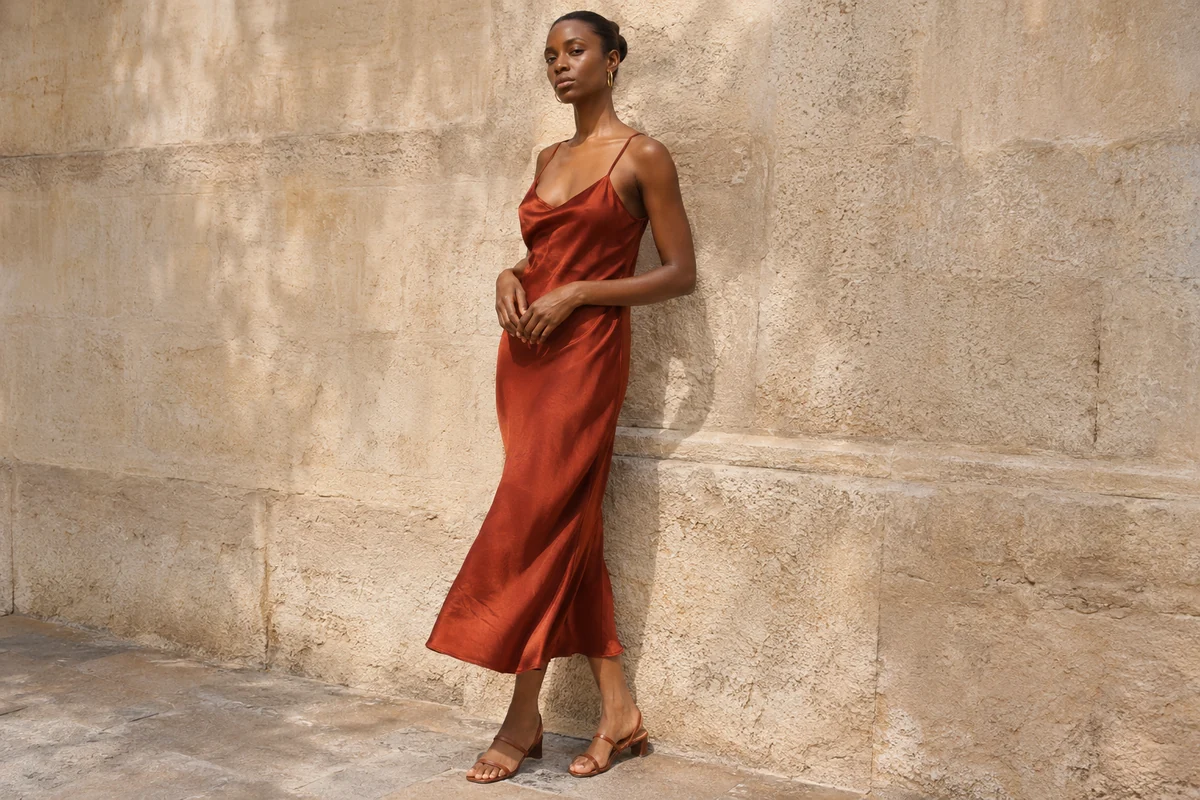
On a silk slip dress, a small change in strap length shifts both the neckline and the hem. Bring us the length you have in mind and a reference for how the silk should fall.
Before cutting a silk sample
- A sketch of your blouse, slip dress or outer layer will give us the shape. A reference garment works too.
- Show where the neckline should fall and where the hem should finish on the wearer.
- Include the intended shade, weight and lining if known. You can also send a swatch with the drape you like.
- We normally make at least 10 pieces of each style, color and fabric combination. Ask us to review your quantities if they are lower.
- Name any fabric documentation the buyer expects, so we can check it against the chosen silk.
Decisions to make on a silk sample
Review the sample in daylight and in motion. A neckline that looks even on a hanger can sit differently once the straps carry the dress.

Cutting and finishing
Our Hangzhou factory has 2,800 m² for cutting, sewing, finishing and packing, including work on silk garments.

Current silk options
Give us a reference swatch or the momme weight and shade you want. We can check the current choices before making the sample.

Neckline and straps
A physical fitting lets you mark the strap length and see whether the front lies as intended.

Fit notes and labels
Put the finished bust, hip and length on the size sheet and mark the position of labels on the inside view.

Fabric through final inspection
The team checks incoming material, work at the sewing stage and finished appearance against the approved details.

More pieces in a shade
For a repeat order, quote the original silk and shade. We check current availability and the production schedule.
Silk blouses and dresses
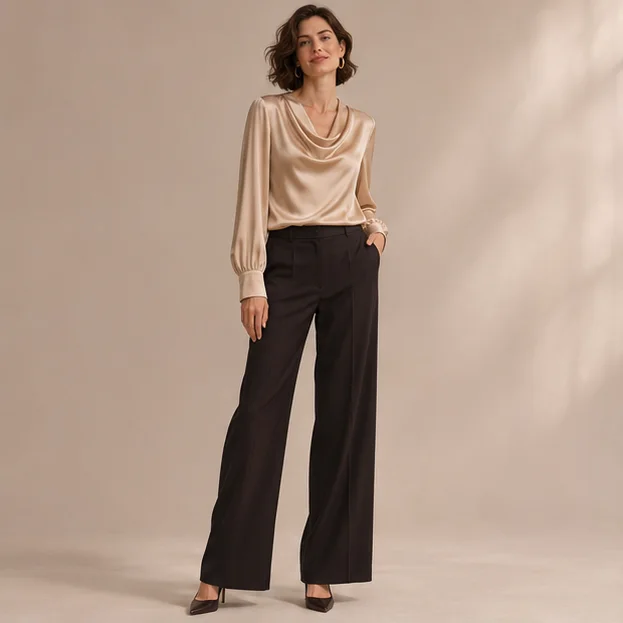
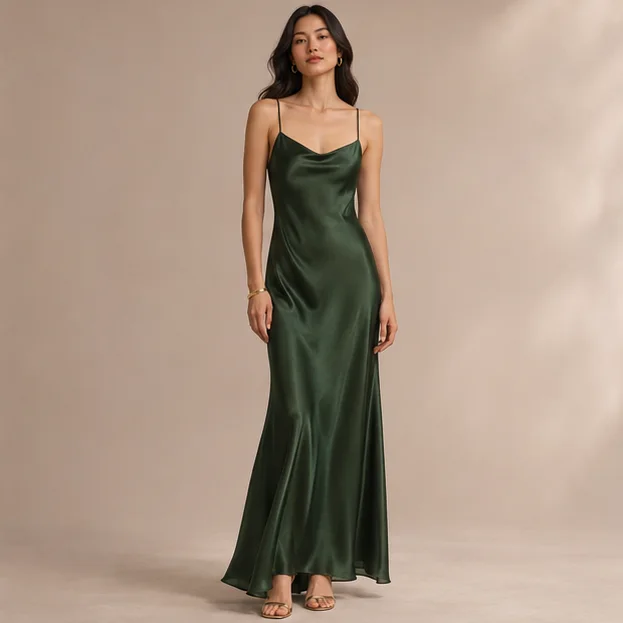
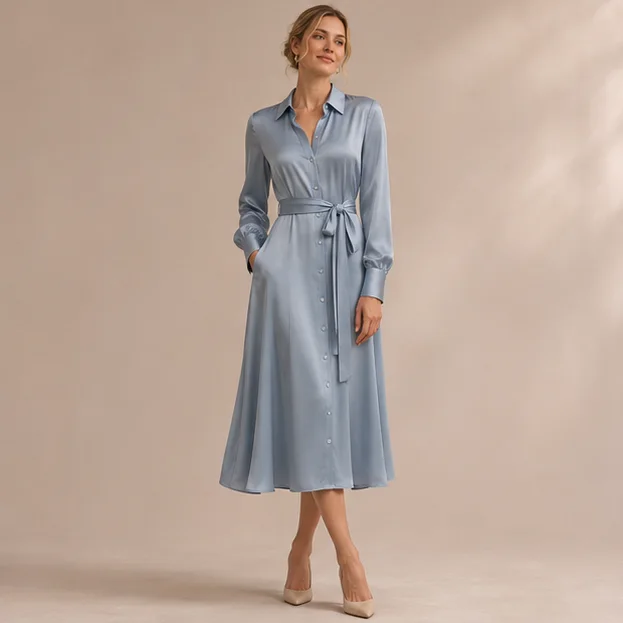
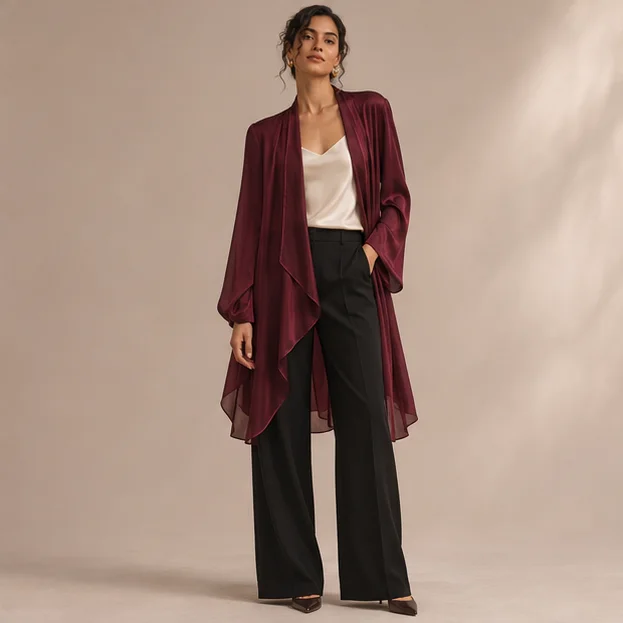
Four illustrated cuts show how a neckline, sleeve or hem can change the look of silk. Choose one to discuss or bring a different reference.

What changes between 16 and 22 momme?
Momme describes weight. Across the 16–22 momme range, handle silk in the shade you intend to use and look at it against the body.
- Softer shirts
Try silk around 16–19 momme for a softly falling shirt. Check how the fronts hang when the neck is open. - Dresses and more substantial layers
Silk around 19–22 momme is worth comparing for a dress or layer with more body. Ask which shades are available in that weight. - Hand and drape
Hang a swatch against the intended lining, then view it in motion and in daylight to judge coverage and drape. - Approved silk
Keep the chosen swatch with its weight and fiber content for the production order.
Develop the drape on the body
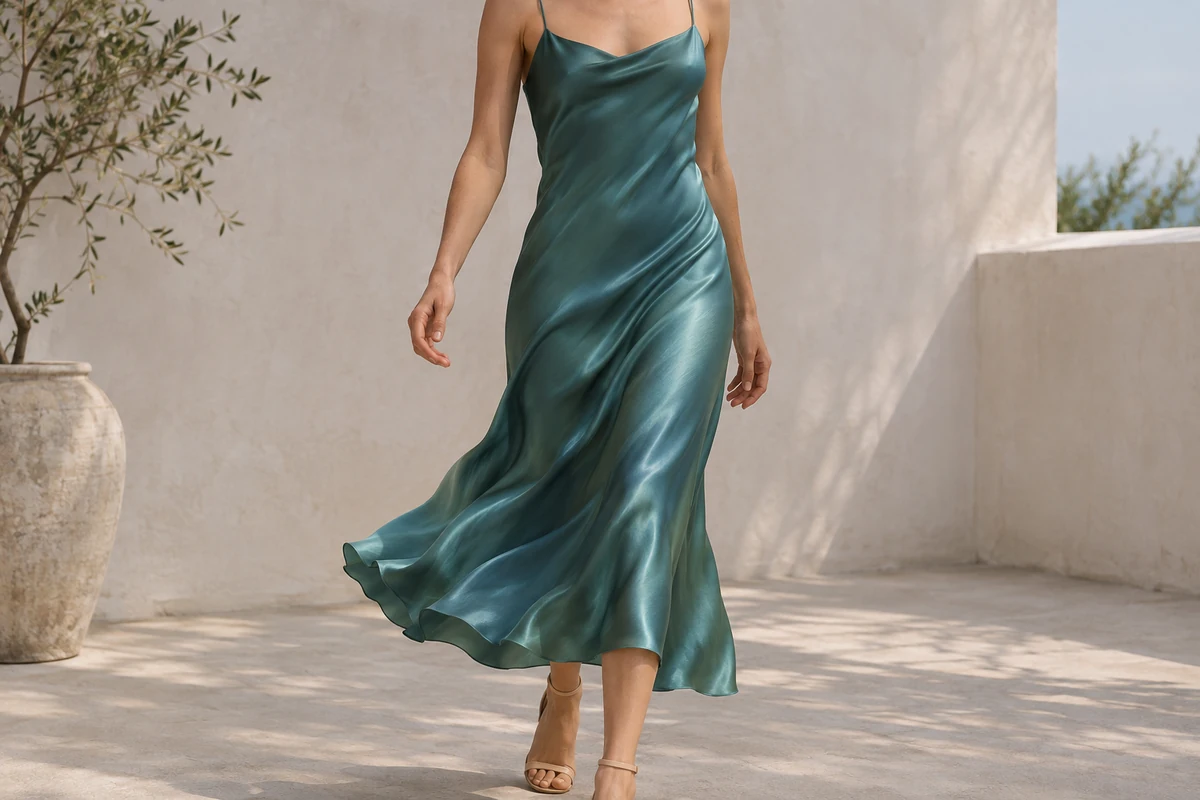
The neckline, strap position and hem length affect how a fluid silk garment moves.
- Blouse front
Mark how low the neckline falls and whether the front should tuck in or hang free. - Slip straps
Specify strap placement and length before reviewing neckline coverage. - Dress proportion
Give both the garment length and the desired position on the wearer. - Layering
Check room through the upper arm when a silk layer is worn over another piece.
Silk color in changing light
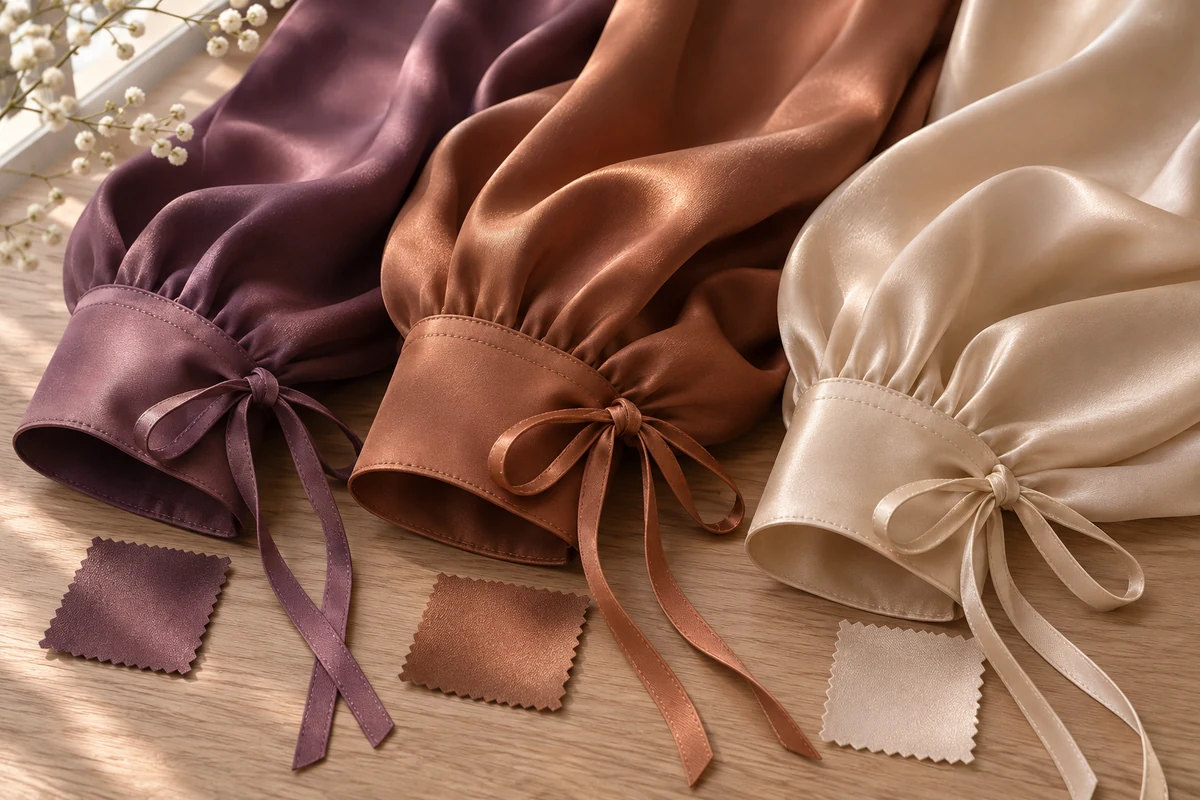
Look at a flat piece of silk and then let it fall into folds. The color can appear quite different along the highlights.
- Stock colors
Check shades in the chosen weight. A color offered in one silk may be unavailable in another. - Color target
For a custom match, send a Pantone reference or a piece of material showing the target shade. - Over the lining
Lay the silk against the lining you plan to use and look at the combination in daylight. - Another dye lot
Retain a cutting from the approved shade to compare when the style comes back into production.
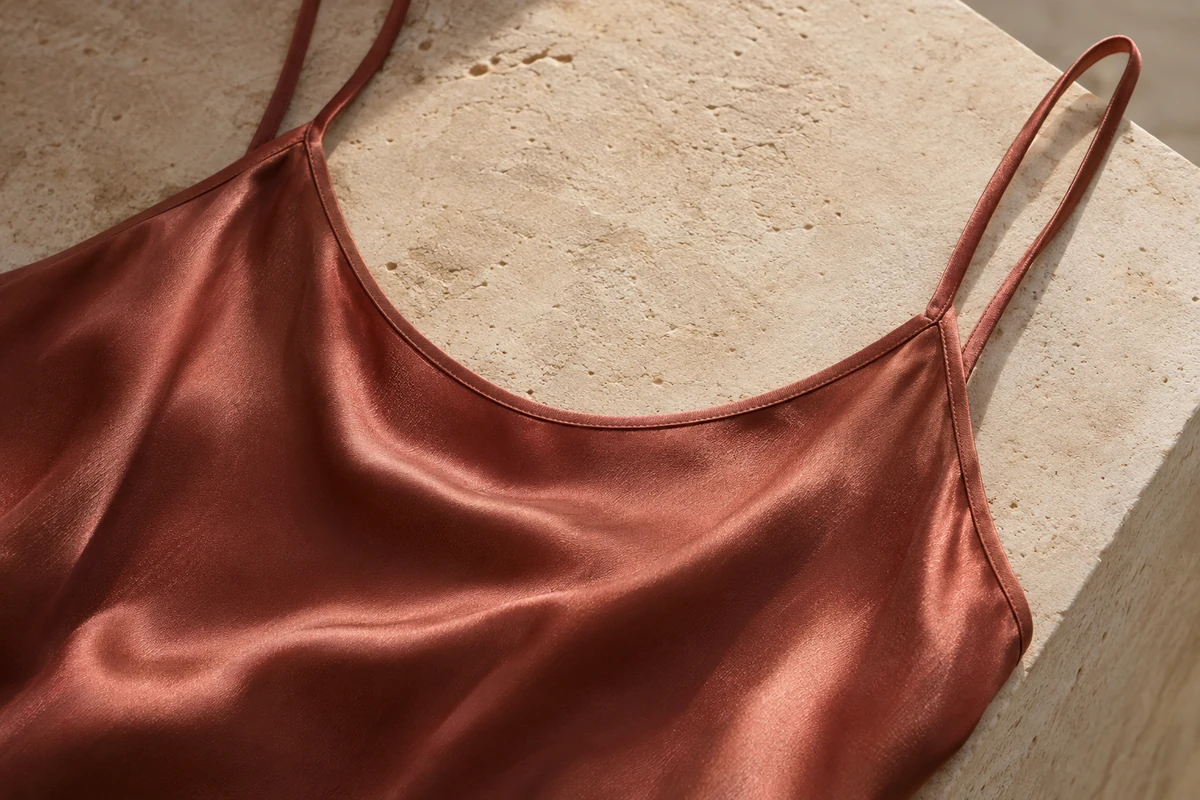
Refine the neckline and hem
Review the visible lines in the same silk weight and shade you intend to produce.
- Blouse cuff
Set the cuff width and opening so the sleeve gathers or falls as intended. - Neckline finish
Compare the neckline with a reference while the garment is worn. - Side opening
Specify the slit height and review ease of movement. - Hem and shine
Inspect the hem in changing light. A fluid cloth shows the line of a seam as the wearer moves.
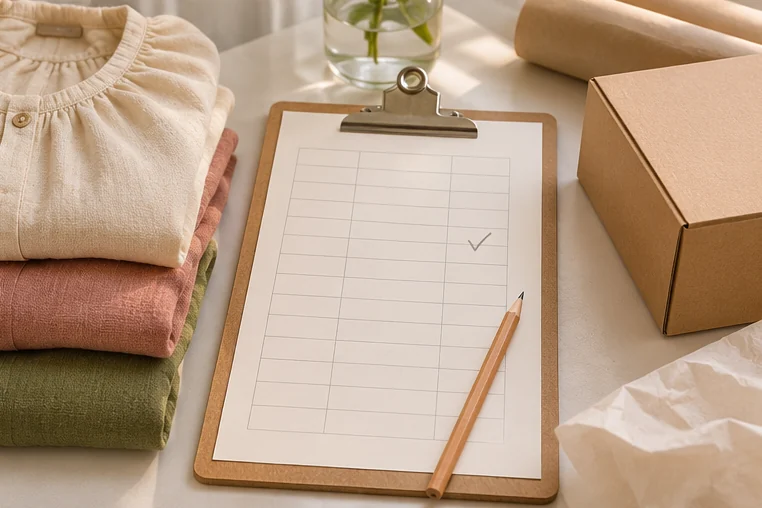
How the silk pieces will be packed
A folded blouse and a long slip dress may need different packing instructions even when they share a label.
- Hangtags
Supply the final hangtag artwork and mark an attachment point on the garment. - Unit packing
Show the fold and where the size and color should be visible on each unit. - Cartons
Send the size and shade breakdown if individual cartons need to go to different shops. - Paper packing
Ask about kraft or recycled paper and recyclable cartons once you know the required pack size.
What to check on a silk swatch
Keep the fabric specification next to the chosen swatch. The weight and fiber content answer different questions about the dress.
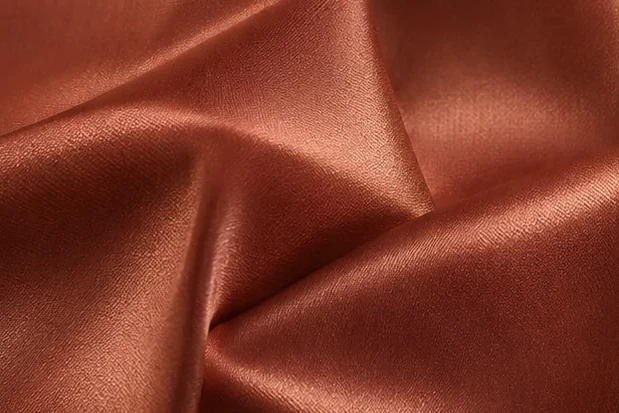
Composition
Request the actual fiber percentages of the silk under consideration for your order.
Confirm fiber content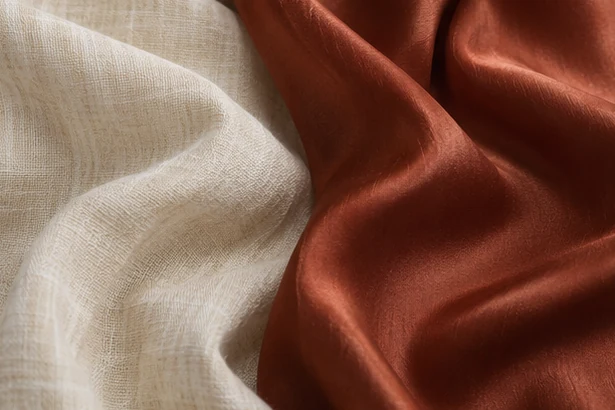
Comparing the drape
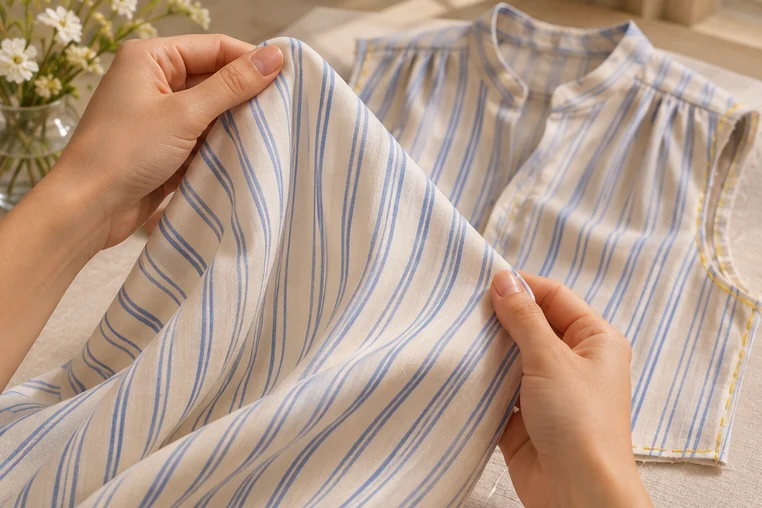
Hang silk and linen cuttings of similar size from one edge. The difference between a fluid fold and a crisp one is easy to see.
Compare Materials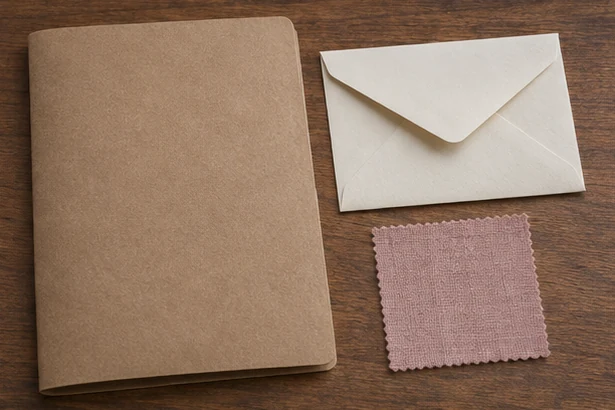
Reports for that silk
Give us your buyer’s documentation request and the garment’s intended use. We check what the supplier can provide for the selected silk.
Check silk documentation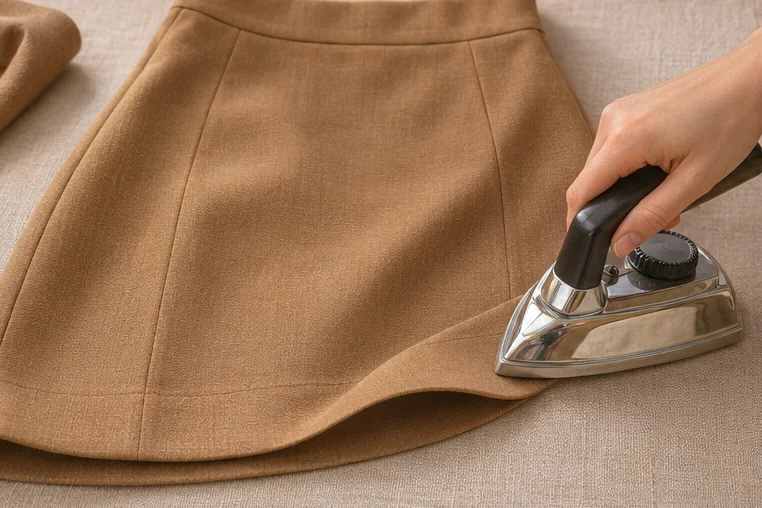
Following the finished seam
Check the side seam and hem while the wearer walks. Once you approve the way the garment hangs, the sample and measurements guide production. We check the finished appearance and packing before dispatch.
Send the silhouette you have in mind
A neckline reference is helpful for a blouse or slip dress. Include the size range, silk preference, units per shade and the date you want the pieces.
Request a silk quoteQuestions about a silk order
When planning a launch, leave time to try the dress on in the actual weight and shade before you approve the run.